When to Consult a Pulmonologist? Symptoms, Diagnosis and Treatment
Published on 10/26/2026Summary:
Breathing problems can affect more than just your lungs. They can influence your sleep, energy, mobility, and everyday life. Persistent cough, breathlessness, wheezing, or recurring respiratory infections should not be ignored, especially when they continue or worsen over time. A Pulmonologist Consultation can help identify the possible cause through a detailed evaluation and, when needed, appropriate diagnostic tests. Alongside medical care, rehabilitation can support strength, endurance, mobility, and independence for individuals whose respiratory condition has affected their daily activities. Recognising symptoms early and seeking the right professional support can be an important step towards better respiratory health and quality of life.
We rarely think about every breath we take until breathing starts to feel difficult. A persistent cough, frequent wheezing, unexplained breathlessness, or repeated chest infections can interfere with sleep, work, exercise, and everyday activities. While occasional respiratory symptoms may not always be a cause for concern, symptoms that persist, worsen, or keep coming back deserve proper medical attention.
This is where a Pulmonologist Consultation can help. Pulmonologists specialise in conditions affecting the lungs and respiratory system. They can assess your symptoms, identify possible causes, recommend appropriate tests, and help develop a treatment plan based on your condition. Knowing when to seek Pulmonology OPD Services can help you recognise warning signs and take timely action to protect your respiratory health.
Table of Contents:
- Who Is A Pulmonologist?
- What Do Pulmonologists Treat?
- When Should You Consult A Pulmonologist?
- What Tests Can Be Recommended By A Pulmonologist?
- What Happens During A Pulmonologist Consultation?
- When Should Breathing Problems Be Treated As An Emergency?
- Take The Step Towards Better Lung Health?
- FAQ
Who Is a Pulmonologist?
A pulmonologist is a doctor who specialises in diagnosing and treating diseases and conditions affecting the lungs and respiratory system.
Your respiratory system plays a vital role in supplying oxygen to the body and removing carbon dioxide. You can go through NIH's guide to learn the proper functioning of your lungs. Problems affecting the lungs or airways can therefore impact everything from physical activity and sleep to overall quality of life.
During a Pulmonologist Consultation, he will consider your medical history, lifestyle, environmental exposure, existing health conditions, and the pattern of your symptoms to understand what may be affecting your breathing.
What Do Pulmonologists Treat?
Pulmonologists manage a wide range of respiratory conditions, from common breathing problems to chronic lung diseases.
Some conditions they can evaluate and treat include:
- Asthma: A condition that can cause wheezing, coughing, chest tightness, and difficulty breathing.
- Chronic obstructive pulmonary disease (COPD): A long-term condition that can make it increasingly difficult to breathe.
- Bronchitis: A condition where the airways become irritated and swollen, often leading to a persistent cough and increased mucus.
- Pneumonia and other lung infections: Conditions that can affect normal lung function and breathing.
- Sleep-related breathing disorders: Problems such as sleep apnea that can interfere with breathing during sleep.
- Interstitial lung diseases: A group of conditions that can affect lung tissue and make breathing difficult.
- Persistent cough and breathlessness: Symptoms that have several underlying causes and require proper evaluation.
The right treatment depends on the underlying cause, severity of symptoms, and overall health of the individual.
When Should You Consult a Pulmonologist?
Not every cough or episode of breathlessness requires a specialist. However, certain symptoms should not be ignored, particularly when they persist or interfere with daily life.
Also read our previous blog to learn more about pulmonary rehabilitation and who needs it for stronger recovery.
Consider seeking a Pulmonology Consultation if you experience:
- A cough that continues for several weeks
- Frequent or unexplained wheezing
- Shortness of breath during routine activities
- Repeated chest or respiratory infections
- Persistent mucus or phlegm
- Chest discomfort associated with breathing
- Coughing up blood
- Breathing difficulties that disturb your sleep
People with a history of smoking or prolonged exposure to dust, smoke, chemicals, or other workplace pollutants should also need to discuss ongoing respiratory symptoms with a healthcare professional.
The important thing is not to wait until breathing problems significantly affect your daily life before seeking medical advice.
What Tests Can Be Recommended by a Pulmonologist?
A pulmonologist may recommend different tests based on each patient’s individual needs. Even the National Heart, Lung, and Blood Institute (NHLBI), part of the NIH, recommends specific tests to recognize the respective underlying issue. The choice depends on your symptoms, medical history, physical examination, and suspected condition.
Some commonly used tests after a Pulmonologist Consultation can include:
Spirometry
Spirometry measures how much air you can breathe in and out and how quickly you can exhale. It can help assess conditions such as asthma and COPD.
Pulmonary Function Tests
These tests provide a more detailed assessment of how well your lungs are working and how effectively they move air.
Chest X-Ray
A chest X-ray can help doctors examine the lungs and identify certain infections, abnormalities, or other changes.
CT Scan
When more detailed imaging is required, a CT scan can provide a closer look at the lungs and surrounding structures.
Blood Tests
Blood tests can be recommended to look for signs of infection, inflammation, or other factors that can be contributing to respiratory symptoms.
Sleep Study
If symptoms suggest a sleep-related breathing disorder, a sleep study can be recommended to monitor breathing and other body functions during sleep.
Remember, undergoing a test does not automatically mean that a serious condition is suspected. Tests help doctors gather more information and make informed decisions about diagnosis and treatment.
What Happens During a Pulmonology Consultation?
If you've never visited a pulmonologist before, the process can seem unfamiliar. Your first consultation usually starts with a conversation about your symptoms, health history, and any concerns you may have.
Your doctor can ask:
- When did your symptoms begin?
- Are they constant or do they come and go?
- Do certain activities make your breathing worse?
- Do you experience coughing, wheezing, or chest discomfort?
- Do your symptoms affect your sleep?
- Do you smoke or have you smoked in the past?
- Have you been exposed to dust, smoke, chemicals, or other irritants?
- Have you had previous respiratory conditions or infections?
The pulmonologist then performs a physical examination, listens to your lungs, reviews previous medical reports, and recommends tests if required.
Based on the findings, the doctor will explain the possible cause of your symptoms and discuss appropriate treatment or follow-up.
For patients who require regular respiratory care, Pulmonology OPD Services can provide a structured setting for consultation, evaluation, follow-up, and ongoing management.
When Should Breathing Problems Be Treated as an Emergency?
Some breathing problems require immediate medical attention rather than a routine appointment.
Seek emergency medical care if you experience:
- Sudden or severe difficulty breathing
- Severe chest pain
- Blue or grey lips or face
- Sudden confusion or loss of consciousness
- Significant coughing of blood
- Rapidly worsening breathing difficulty
These symptoms can indicate a serious medical problem and should not be managed by waiting for a regular appointment.
Take the Right Step Towards Better Lung Health
Taking care of your lungs isn't only about treating symptoms when they appear. For people living with chronic respiratory conditions or recovering after illness, maintaining strength, endurance, mobility, and independence can also become an important part of recovery.
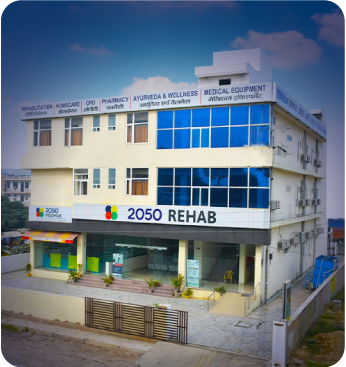
At 2050 Rehab Care, our multispecialty Pulmonology OPD Services support focuses on helping individuals work towards better functional abilities and greater independence as part of their recovery journey. A Pulmonology Consultation at 2050 Rehab Care will help identify and manage respiratory concerns, while appropriate rehabilitation can support individuals whose condition has affected their ability to carry out everyday activities.
Experiencing breathing difficulties? Contact us for an Expert Pulmonology Consultation today and take the first step towards better respiratory health.