Lumbar Slipped Disc in Bhubaneswar : L3–L4, L4–L5 and L5–S1 Symptoms and Rehabilitation
Published on 11/12/2026A slipped disc in the lower back doesn't always feel like back pain. Sometimes, it appears as knee discomfort, tingling toes or weakness while walking. The symptoms can vary depending on which spinal nerve is affected. This blog explains how L3–L4, L4–L5 and L5–S1 slipped discs differ, when medical attention becomes necessary and how 2050 Rehab Care supports recovery through personalised physiotherapy, pain management and structured rehabilitation.
Introduction
“The hardest part of back pain isn't always the pain. It's everything it stops you from doing.”
A shooting pain down your leg, tingling in your toes or unexpected weakness while climbing stairs. What if these seemingly unrelated symptoms share the same cause? A lumbar slipped disc can irritate or compress nearby spinal nerves, causing pain, numbness or weakness that may extend well beyond your lower back.
But relieving pain is only part of recovery. Regaining strength, improving mobility and returning to everyday activities matter just as much. At 2050 Rehab Care, patients undergoing Spine Injury Rehabilitation in Bhubaneswar receive personalised care that considers how these symptoms affect everyday movement, alongside the findings on their MRI scans.
Table of Contents
- Introduction
- What Is a Lumbar Slipped Disc?
- L3–L4 Slipped Disc: When Knee Pain Begins in the Spine
- L4–L5 Slipped Disc: When Pain Reaches Your Foot
- L5–S1 Slipped Disc: When Pain Travels Towards the Heel
- Does Every Slipped Disc Require Surgery?
- How Does Rehabilitation Help a Lumbar Slipped Disc?
- When Should You Seek Immediate Medical Attention?
- Why Specialist Spine Rehabilitation Matters
- Frequently Asked Questions
What Is a Lumbar Slipped Disc?
Your lower spine contains soft discs that cushion the bones as you move. A lumbar slipped disc, or herniated disc, occurs when a disc's soft centre pushes through a weakened area of its outer covering. Despite the name, the whole disc does not slip out of place.
If it irritates a nearby nerve, pain may spread into the leg, sometimes with numbness or weakness. But a disc bulge is not always painful. As the NHS guidance on slipped discs explains, some people experience no symptoms at all.
L3–L4 Slipped Disc: When Knee Pain Begins in the Spine
Knee pain does not always begin in the knee. A typical L3–L4 herniation may irritate the L4 nerve root, affecting the thigh, knee or inner lower leg.
Possible symptoms include:
- Pain at the front of the thigh or knee
- Tingling along the inner lower leg
- Weakness when straightening the knee
- Difficulty climbing stairs or rising from a chair
Hip and knee conditions can feel similar, so clinical assessment matters.
L4–L5 Slipped Disc: When Pain Reaches Your Foot
An L4–L5 herniation may affect the L5 nerve, causing pain from the buttock down the outer leg to the foot.
Possible symptoms include:
- Shooting pain down the leg
- Numbness around the big toe
- Difficulty lifting the foot or toes
- Weakness when walking on the heels
Severe cases may cause foot drop, making it difficult to lift the foot. New weakness requires prompt medical assessment. Following evaluation, a personalised spine injury rehabilitation programme can help restore strength, mobility and walking confidence.
L5–S1 Slipped Disc: When Pain Travels Towards the Heel
At the base of the lumbar spine, an L5–S1 herniation often irritates the S1 nerve root. Discomfort may follow the back of the thigh and calf towards the heel or outer foot.
Possible symptoms include:
- Pain through the buttock and calf
- Tingling at the heel or outer foot
- Difficulty standing on tiptoes
- A reduced ankle reflex
Symptoms can overlap, making clinical examination essential.
Does Every Slipped Disc Require Surgery?
No. Many people improve without an operation. Initial care often includes medication, gentle activity and physiotherapy.
For anyone considering Lumbar slipped disc treatment in Bhubaneswar, an MRI result alone should not decide the next step. Surgery may be considered when disabling pain persists despite appropriate care or significant nerve weakness develops.
After surgery, comparing home care versus structured rehabilitation can help families plan the support needed to regain everyday function.
How Does Rehabilitation Help a Lumbar Slipped Disc?
Rehabilitation should make sitting, walking and everyday tasks easier, not just improve performance during therapy.
A Spine rehab program in Bhubaneswar may include these steps, guided by clinical findings:
1. Comprehensive Assessment
Checking pain patterns, sensation, muscle strength and daily difficulties helps establish meaningful recovery goals.
2. Personalised Physiotherapy
Carefully selected exercises can improve movement and muscle control without unnecessarily aggravating symptoms.
3. Strength and Mobility Training
Gradual strengthening helps patients rebuild physical capacity after reduced activity.
4. Functional Rehabilitation
Training focuses on everyday tasks, from getting out of bed to returning to work.
5. Home Guidance and Progress Review
Regular progress checks and practical home advice support recovery between therapy sessions.
This approach reflects the NICE guidelines for low back pain and sciatica, which supports suitable exercise, self-management and continued activity.
When Should You Seek Immediate Medical Attention?
Most slipped discs are not emergencies, but certain symptoms require urgent hospital assessment:
- New difficulty passing urine or loss of bladder control
- Loss of bowel control
- Numbness around the groin, genitals or buttocks
- Severe or rapidly worsening leg weakness
- Significant new neurological symptoms affecting both legs
These can indicate serious nerve compression, including cauda equina syndrome. New foot drop also requires prompt medical attention.
Why Specialist Spine Rehabilitation Matters
Back pain can disrupt work, sleep and independence. At 2050 Rehab Care, multidisciplinary support combines personalised physiotherapy, pain management and mobility training around individual recovery goals.
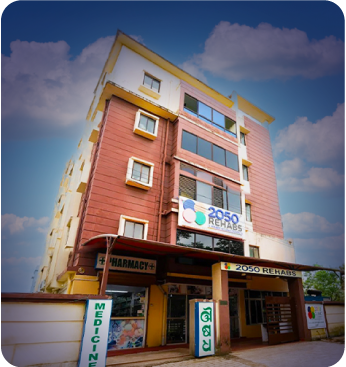
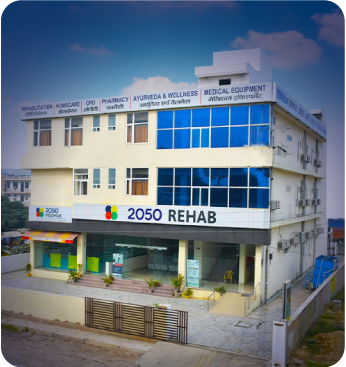
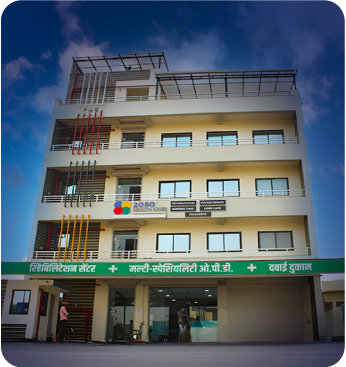
Its Bhubaneswar centre offers an advanced physiotherapy unit, dedicated therapy spaces and strength and mobility facilities, with inpatient rehabilitation when appropriate. The focus extends beyond pain relief to helping patients move more confidently and manage everyday activities.
Conclusion: Getting Back to What Matters
An L3–L4, L4–L5 or L5–S1 disc problem may affect different nerves. Effective care begins with understanding the symptoms and choosing treatment suited to the patient, not just the scan.
If back or leg pain is holding you back, take the next step by booking your consultation with 2050 Rehab Care to discuss your recovery and mobility goals.