Guillain-Barré Syndrome Recovery in Bhubaneswar: How Physiotherapy Helps Restore Strength and Mobility
Published on 11/12/2026Imagine struggling to walk across a room or lift a glass of water after an illness that developed within days. Guillain-Barré Syndrome can weaken the muscles and make ordinary tasks unexpectedly difficult. Although hospital treatment addresses the acute condition, recovery may continue for months. This blog explains how GBS affects the nerves, what patients can expect during different recovery stages and how physiotherapy and neurological rehabilitation at 2050 Rehab Care help restore strength, mobility and independence.
Introduction
“Surviving Guillain-Barré Syndrome is one milestone. Regaining the independence it takes away is another.”
For someone recovering from Guillain-Barré Syndrome (GBS), leaving the hospital doesn't always mean returning to normal life. Muscles may still feel weak, balance may be uncertain, and simple tasks like buttoning a shirt or walking across a room can demand surprising effort. The real challenge is reclaiming the abilities once taken for granted.
This journey often calls for more than rest and medication. At 2050 Rehab Care, patients receiving Neurological Rehabilitation in Bhubaneswar, work towards regaining strength, balance and everyday independence through personalised physiotherapy and carefully paced functional training.
Table of Contents
- Introduction
- What Is Guillain-Barré Syndrome?
- What Are the Warning Signs of GBS?
- Understanding the Three Stages of GBS Recovery
- How Does Physiotherapy Help Restore Strength and Mobility?
- Why Is Managing Fatigue Important During Recovery?
- How Long Does GBS Rehabilitation Take?
- Neurological Recovery at 2050 Rehab Care
- Frequently Asked Questions
What Is Guillain-Barré Syndrome?
Guillain-Barré Syndrome is a rare neurological disorder in which the immune system mistakenly attacks the peripheral nerves. These nerves carry signals between the brain, spinal cord and muscles, helping us move and sense our surroundings.
GBS frequently develops after a respiratory or gastrointestinal infection. According to the NHS guidance on Guillain-Barré Syndrome, symptoms can worsen rapidly and may require urgent hospital treatment.
Although many patients recover well, lingering weakness, nerve pain and fatigue can make rehabilitation an important part of their recovery.
What Are the Warning Signs of GBS?
GBS often begins with tingling or weakness in the feet and legs. As the condition progresses, weakness may spread upwards, affecting walking, arm movements and sometimes breathing.
Common warning signs include:
- Tingling or numbness in the hands and feet
- Increasing weakness in both legs
- Difficulty standing or walking
- Reduced or absent muscle reflexes
- Pain in the back or limbs
- Weakness spreading towards the arms or face
Important: Rapidly worsening weakness, difficulty swallowing or breathing problems require immediate emergency hospital care. Rehabilitation is not a substitute for acute medical treatment.
Understanding the Three Stages of GBS Recovery
Recovery from Guillain-Barré Syndrome does not happen at the same pace for everyone. Some patients regain movement relatively quickly, while others require prolonged rehabilitation.
For families considering Guillain-Barré Syndrome rehabilitation in Bhubaneswar, understanding how care changes across recovery stages can make treatment planning easier.
| Recovery Stage | What Patients May Experience | Main Care Priority |
|---|---|---|
| Acute Stage | Increasing weakness, reduced mobility and possible breathing difficulties | Hospital monitoring, medical treatment and gentle movement when safe |
| Early Recovery | Persistent weakness, poor balance and difficulty with everyday tasks | Assisted mobility, physiotherapy and gradual strengthening |
| Functional Recovery | Improving movement but lingering fatigue or reduced stamina | Walking practice, endurance training and greater daily independence |
These stages describe general rehabilitation priorities, not fixed timelines. Treatment depends on medical stability, nerve recovery and individual progress.
How Does Physiotherapy Help Restore Strength and Mobility?
After GBS, recovery isn't simply about exercising harder. The nerves need time to heal, while weakened muscles require carefully graded activity.
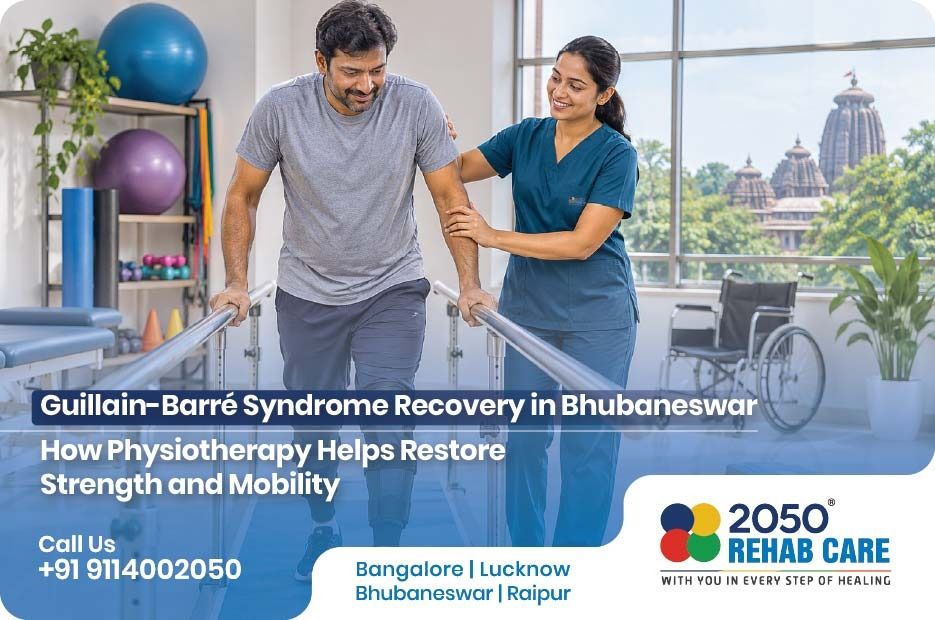
As part of a personalised neurological rehabilitation programme, physiotherapy helps patients practise movement, gradually rebuild strength and regain confidence without pushing their bodies beyond their limits.
1. Keeping Joints Moving
When muscles become weak, even changing position may be difficult. Gentle assisted movements help maintain joint flexibility and reduce stiffness during periods of limited mobility.
2. Rebuilding Muscle Strength
As nerve function improves, therapists introduce suitable strengthening exercises. Activities are progressed gradually, helping patients work towards movements such as lifting their arms, standing and walking.
3. Improving Balance and Walking
Weakness can make standing feel uncertain. Supported walking, balance exercises and appropriate mobility aids help patients practise safer movement and gradually reduce dependence on assistance.
4. Regaining Everyday Independence
Recovery also involves managing personal care, dressing, eating and household tasks. Physiotherapy and occupational therapy work towards restoring the practical abilities patients need in daily life.
As described by the how rehabilitation continues after discharge, especially when ongoing weakness and mobility difficulties remain.
Neurological Recovery at 2050 Rehab Care
Recovering from GBS often requires more than individual exercise sessions. Patients may need coordinated physiotherapy, occupational therapy, functional training and support with daily activities.
For families comparing a neuro rehabilitation centre in Bhubaneswar, access to multidisciplinary care and personalised recovery planning are important considerations.
Our 2050 Rehab Care offers dedicated neurological rehabilitation facilities, advanced physiotherapy equipment, supervised mobility training and inpatient rehabilitation support where appropriate.
Its approach focuses on individual recovery milestones, family involvement and helping patients gradually regain the abilities that matter in everyday life.
Conclusion: Small Progress, Meaningful Recovery
For someone recovering from Guillain-Barré Syndrome, standing without support, holding a cup or walking independently can represent important milestones.
Although recovery may take time, suitable medical follow-up and structured rehabilitation can help patients work towards greater strength, mobility and independence.
If you or a family member is recovering from GBS, consider booking a rehabilitation consultation at 2050 Rehab Care to discuss individual recovery goals and appropriate therapy support.