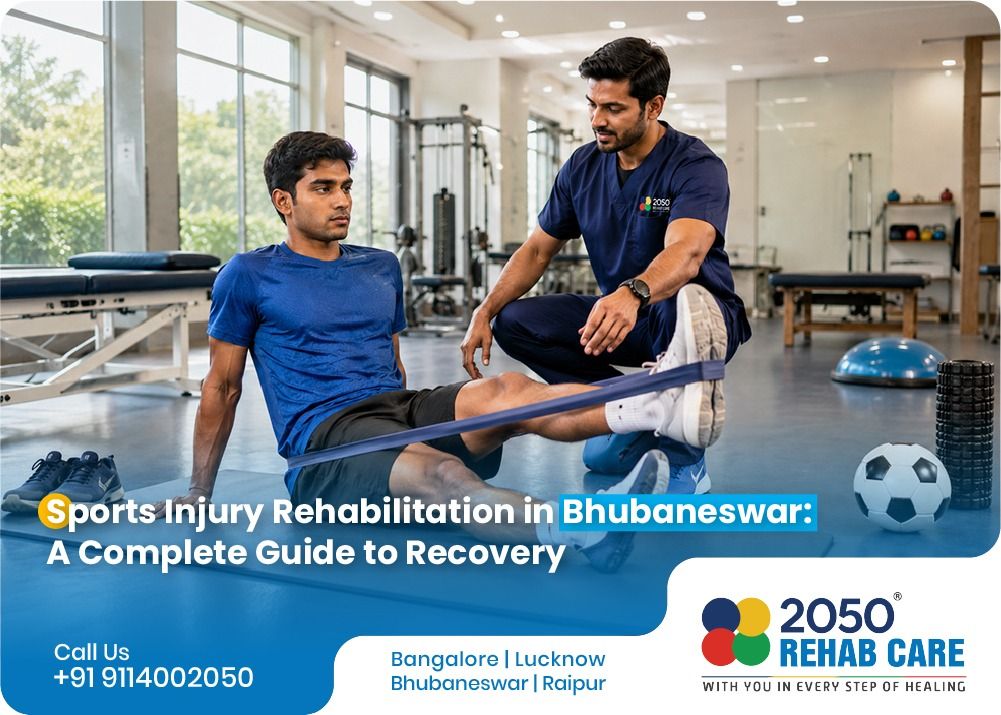
Sports Injury Rehabilitation in Bhubaneswar: A Complete Guide to Recovery
Published on 9/16/2026Sport is not just a movement; it’s a combination of strength, speed, agility, coordination, endurance, focus, and determination. When a footballer sprints across the field, a badminton player makes a quick lunge, a runner pushes through the final stretch, or a cricketer delivers a powerful shot, every sport places unique demands on the human body. To handle these demands, athletes continuously train their muscles, joints, bones, and cardiovascular system. But the same intensity that helps an athlete improve can also place stress on the body. Repetitive movements, sudden changes in direction, falls, collisions, overtraining, or incorrect techniques can sometimes result in severe injuries.
An injury can temporarily take an athlete away from training and competition. Returning to sport safely requires the body to regain its strength, mobility, stability, coordination, endurance, and confidence. This is where sports injury rehabilitation becomes essential. While rest and basic care at home may support the early stages of recovery, a complete rehabilitation process often requires professional assessment, specialised equipment, and carefully planned exercises that may not be available at home. This guide will help you enquire about sports injury rehabilitation to understand the right recovery approach for your specific injury and sporting goals.
Defining Sports Injury Rehabilitation
Sports injury rehabilitation provides a dedicated setting where athletes receive a structured, comprehensive recovery programme that includes professional care, guided treatment, therapeutic exercises, and specialised rehabilitation techniques. For those requiring closer supervision, rehabilitation facilities also provide inpatient care, enabling athletes to stay under continuous professional monitoring throughout their recovery rather than managing frequent visits. This ensures consistent care while supporting the gradual restoration of strength, mobility, function, and sport-specific performance.
Additionally, when a sports injury requires surgery, the recovery process needs careful attention and regular supervision. After surgery, athletes may experience pain, swelling, limited movement, and muscle weakness, which can affect how quickly they return to normal activity. Close rehabilitation during this stage helps manage these challenges and prevents problems such as stiffness, loss of strength, incorrect movement patterns, and reinjury. As the athlete heals, the rehabilitation programme can gradually focus on improving mobility, strength, balance, coordination, and sport-specific movements. A review published in the Journal of Orthopaedic & Sports Physical Therapy discusses the importance of using a structured, criteria-based approach to help guide an athlete's progression through rehabilitation and return to sport.
Common Injuries that May Require Rehabilitation
Every sport challenges the body in its own way, placing varying demands on muscles, joints, and overall physical performance. Running, jumping, sudden changes in direction, repetitive movements, and physical contact can all contribute to injuries.
Some common sports injuries include:
- Ankle Sprain
- Hamstring Strain
- ACL Injury
- Meniscus Tear
- Tennis Elbow
- Rotator Cuff Injury
- Achilles Tendon Injury
- Shin Splints
- Groin Strain
Every sports injury is different, and so is the road to recovery. The type, severity, and location of an injury determine the rehabilitation approach, making a personalised recovery plan essential for a safe return to sport.
When To You Go For Rehabilitation
Rest can be enough during the early stages of certain injuries, but prolonged inactivity is not always the complete solution. Too much rest can contribute to muscle weakness, reduced mobility, loss of conditioning, and difficulty returning to sports. On the other hand, returning to intense activity too quickly can aggravate an injury.
Rehabilitation centres in India create a gradual pathway between injury and normal sports participation. The goal is not simply to make the pain disappear but to restore the physical abilities required for a person's sport. The American College of Sports Medicine's guidance on returning athletes to activity after injury highlights the importance of evaluating an athlete's movement, strength, and ability to perform normal sporting activities before returning to play.
Signs That Indicate You May Need Sports Rehabilitation Care:
- Persistent Pain: Pain that continues for several days or increases during movement or activity.
- Swelling and Inflammation: Noticeable swelling around a joint or muscle that does not improve with rest.
- Limited Mobility: Difficulty bending, stretching, lifting, or moving the affected area normally.
- Muscle Weakness: A feeling of reduced strength or inability to perform usual activities.
- Joint Instability: The sensation that a joint, such as the ankle, knee, or shoulder, may give way during movement.
- Difficulty Walking or Performing Daily Activities: When an injury affects normal movement, balance, or routine tasks.
- Post-Surgical Recovery: Injuries requiring surgery often need structured rehabilitation to regain strength, mobility, and function.
- Recurring Injuries: Repeated pain or injuries in the same area may indicate incomplete recovery and the need for professional rehabilitation.
Recognising these signs early and seeking timely rehabilitation can help athletes recover more effectively and reduce the risk of long-term complications or reinjury.
Considering Factors When Choosing a Sports Injury Rehab Care
As we have discussed earlier, different injuries affect the body in different ways, so sports injury rehab care in Bhubaneswar begins with a proper assessment of the injury, its severity, movement limitations, and the athlete’s sporting requirements. A runner recovering from a knee injury, for example, may need a different rehabilitation approach from a footballer recovering from an ankle sprain.
The well-planned programme at 2050 Rehab Care gradually addresses pain management, mobility, flexibility, strength, balance, coordination, and sport-specific movements, adjusting as the athlete progresses rather than following the same exercises throughout recovery. This personalized approach helps ensure that the body is not only feeling better but is also prepared to handle the physical demands of returning to sport.
Professional rehabilitation Care in Bhubaneswar must have:
- Qualified Rehabilitation Professionals – Trained physiotherapists and rehabilitation specialists must be available to assess the injury.
- Individualised Treatment Plan – Rehabilitation should be based on the athlete’s specific injury, physical condition, sport, and recovery goals rather than following a standard programme.
- Availability of Rehabilitation Equipment – Appropriate equipment must be available for strength training, mobility work, balance exercises, pain management, and other stages of recovery.
- Post-Surgery Rehabilitation – If surgery is involved, the facility must provide structured post-operative rehabilitation and closely monitor the recovery process.
- Progress Tracking – The rehab care must regularly assess improvements in pain, mobility, strength, balance, and functional ability and adjust treatment accordingly.
The right approach helps you understand your injury, participate actively in your recovery, and progress safely rather than rushing back to competition.
An injury does not necessarily mean the end of your sporting journey. With the right assessment, patience, progressive exercise, and professional guidance, many athletes can work their way back toward their previous level of activity. Returning to sport before rebuilding the required strength, movement, control, and confidence can increase the risk of setbacks.
2050 Rehab Care has emerged as a trusted sports injury rehabilitation provider in Bhubaneswar, providing rehabilitation support with a focus on structured recovery and functional improvement. The goal is to help individuals understand their rehabilitation needs and work progressively toward a safe return to their activities.
Seeking help from a sports injury? Book an appointment with our specialist now!