Oncology Rehabilitation in Lucknow: A Guide to Cancer Recovery and Support
Published on 9/19/2026Even after a major phase of cancer treatment is completed, you or your loved one are still dealing with fatigue, weakness, pain, reduced mobility, changes in daily routines, or difficulty adjusting to life after treatment. Studies show that up to 60% of cancer survivors continue to experience cancer-related fatigue, along with challenges such as reduced physical function and difficulty returning to everyday activities.
This is where recovery may require more than simply waiting for the body to feel better. Depending on the person's condition and medical needs, oncology rehabilitation for cancer treatment provides structured support to help manage functional challenges, improve independence, and work towards a better quality of life.
Recovery That Goes Beyond Medication
Even after completing a major phase of cancer treatment, such as chemotherapy, surgery, or radiation therapy, a patient may not immediately feel physically or emotionally ready to return to everyday life. Cancer-related fatigue can continue to affect daily activities and overall quality of life during and after treatment, as highlighted by the National Cancer Institute (NCI). Fatigue, weakness, pain, reduced mobility, changes in physical ability, and emotional concerns can continue to affect the recovery journey. During this phase, patients may need continued support—not only to manage physical challenges but also to rebuild confidence, independence, and emotional well-being.
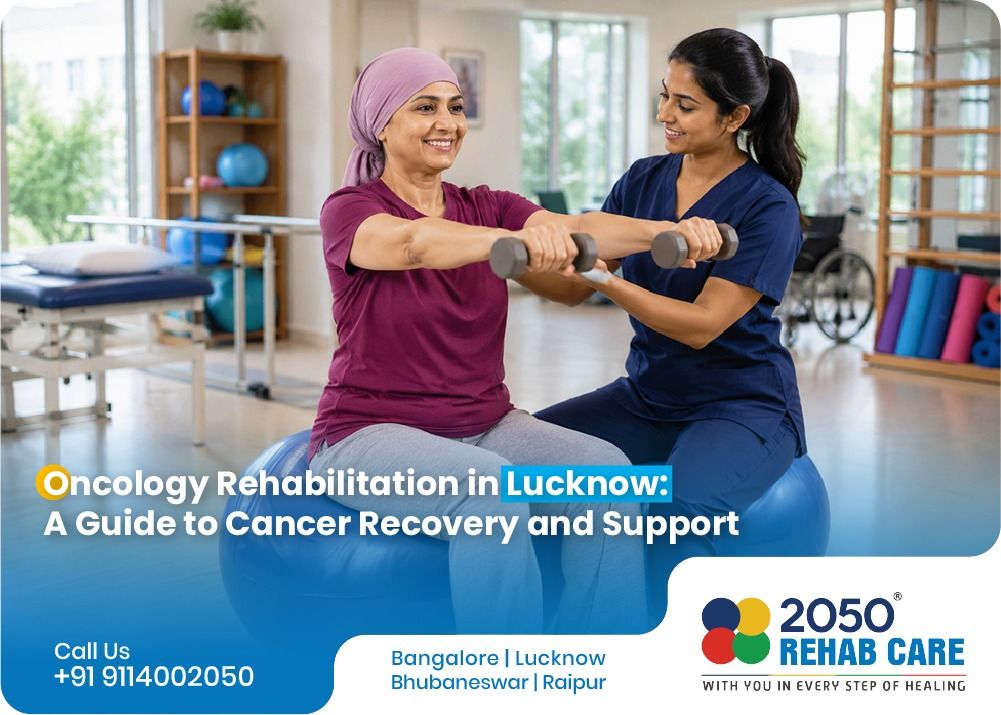
Oncology rehabilitation provides structured, personalised support that can help patients work towards improving physical function, managing treatment-related challenges, and gradually returning to daily activities. A systematic review examining functional outcomes found that rehabilitation interventions were studied across areas such as quality of life, daily activities, fatigue and mobility, with 71% of the included studies reporting a statistically significant improvement in at least one functional outcome.
What Is Oncology Rehabilitation and How Can It Support Recovery?
Oncology rehabilitation is a specialised approach that focuses on helping individuals manage the physical, functional, and, where appropriate, emotional challenges associated with cancer and its treatment.
In fact, the benefits of structured rehabilitation have been examined across multiple areas of cancer recovery. A systematic review of 17 clinical trials involving 1,962 participants found that a multidisciplinary, exercise-based Oncology Rehabilitation Program improved measures of muscle strength and functional strength compared with usual care, although outcomes can vary from one individual to another.
When Should Someone Consider an Oncology Rehabilitation Program?
You do not necessarily have to wait until cancer treatment is completely over to ask about rehabilitation support.
Depending on your medical condition and the recommendation of your treating team, an Oncology Rehabilitation Program can be considered before, during, or after certain phases of cancer treatment.
Some important factors are:
- Persistent weakness or reduced physical strength
- Difficulty walking, moving, or maintaining balance
- Problems managing everyday activities independently
- Reduced stamina or significant fatigue
- Pain, stiffness, or movement-related discomfort
- Difficulty returning to work, family responsibilities, or other routines
- A loss of confidence in performing everyday tasks
Even if these changes seem small initially, discussing them early can help you understand what kind of support is appropriate.
What Does an Oncology Rehabilitation Program Usually Focus On?
When you hear the word rehabilitation, you may immediately think about exercise. While physical activity can be an important component for some individuals, Oncology Rehab Services involve much more than a standard exercise routine.
A rehabilitation programme focuses on the areas that are currently making everyday life more difficult for you or your loved one.
Improving Mobility and Physical Function
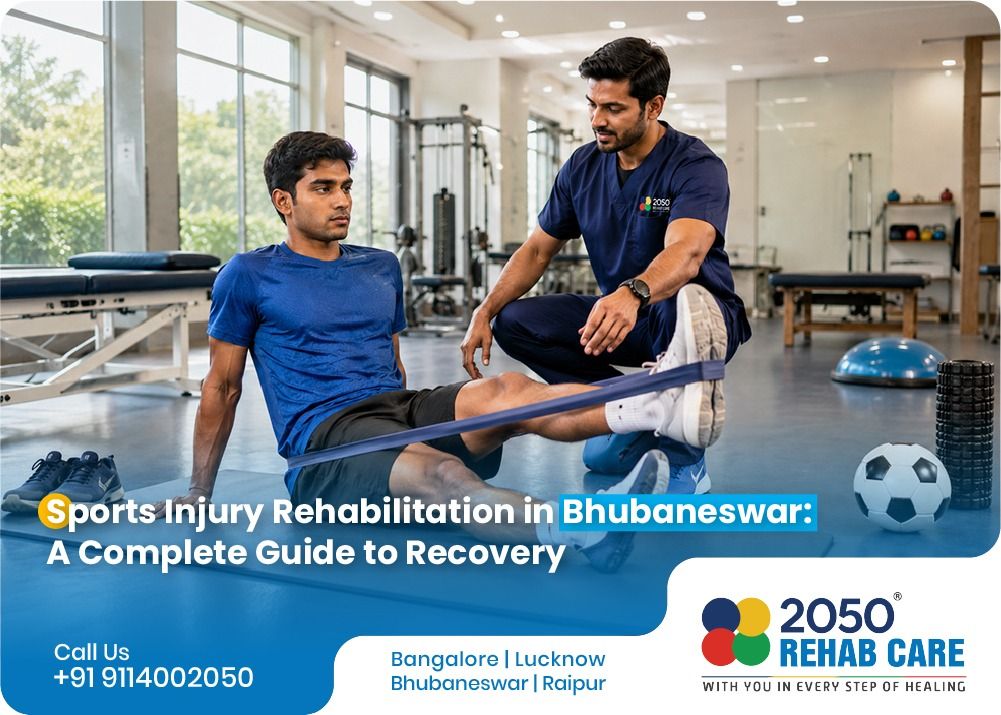
If walking, getting out of bed, climbing stairs, or moving around the home has become difficult, rehabilitation focuses on improving safe movement and physical function based on individual ability.
Building Strength and Endurance
Cancer and its treatment affect physical strength and stamina. Where medically appropriate, a supervised programme includes gradual activities designed around the person's current capacity and recovery needs.
Supporting Everyday Independence
For many families, one of the biggest concerns is not simply whether the person can exercise, but whether they can comfortably manage their everyday activities.
Rehabilitation addresses activities such as moving around the home, personal care, and other daily tasks. The goal is to help the individual maintain or improve functional independence wherever possible.
Managing Physical Challenges
Depending on the person's condition and medical needs, rehabilitation also addresses concerns such as pain, stiffness, reduced range of movement, balance difficulties, or other functional limitations.
Supporting Emotional Adjustment and Confidence
A cancer journey affects more than physical health. Changes in independence, appearance, routine, family roles, and plans can also be emotionally challenging.
For many individuals, rebuilding confidence and adjusting to changes can be just as important as regaining physical strength. As mentioned by the NCI, cancer can bring a range of emotional changes and challenges that individuals may need to cope with during and after treatment.
Finding the Right Oncology Rehab Centre in Lucknow
Choosing an Oncology Rehab Centre in Lucknow can feel like another important decision, especially when you and your family may already be managing appointments, treatments, and many unanswered questions.
Instead of choosing a centre based only on convenience, it can help to understand how the rehabilitation programme will address the individual's specific needs.
Before making a decision, you should consider asking:
- Is the rehabilitation plan personalised to the individual's condition and functional needs?
- Are the rehabilitation professionals experienced in managing complex recovery requirements?
- Does the centre take a multidisciplinary approach when needed?
- Can the rehabilitation plan be coordinated with the recommendations of the treating doctor or oncology team?
- Does the programme focus on practical goals that matter to the individual's everyday life?
- Are family members guided on how they can support recovery safely?
The right centre recognises that cancer recovery is not identical for every person. Your needs, limitations, and goals deserve an approach that takes your individual situation into account.
Supporting Recovery with Oncology Rehabilitation in Lucknow
At 2050 Rehab Care, the focus of rehabilitation is to support individuals who may continue to experience physical and functional challenges during or after a major phase of medical treatment.
For someone recovering from cancer, the journey involves more than simply regaining physical strength. It can also mean working towards greater independence, improving mobility, managing everyday challenges, and gradually rebuilding confidence.
An individualised approach to Oncology Rehabilitation in Lucknow can help identify the areas where you or your loved one may need additional support and create a structured rehabilitation pathway based on professional assessment and medical requirements.