Rehabilitation for Liver & Biliary Disease in Bhubaneswar: A Complete Recovery Guide
Published on 9/19/2026When we talk about liver or biliary disease, the conversation often revolves around the diagnosis, medicines, tests, or treatment procedures. To understand how the liver, bile, and digestive system work together, you can refer to our previous blog. Once the immediate medical concerns are being managed, another question slowly becomes important: How does a person get back to their normal life?
Recovery is not always about reaching the end of a treatment plan. For many people, it is also about regaining strength after a long period of hospital admission, illness, managing fatigue, improving mobility, adapting to dietary changes, and slowly returning to everyday activities.
This is where rehabilitation for liver and biliary disease in Bhubaneswar becomes an essential part of the broader recovery journey. Rehabilitation does not replace medical treatment from a hepatologist, gastroenterologist, or surgeon. Instead, it focuses on the functional side of recovery, helping a person rebuild physical capacity and confidence while working alongside the recommendations of their treating medical team.
Let’s understand what this journey can look like.
Understanding Liver and Biliary Diseases
The liver plays a role in many essential functions in the body, including processing nutrients, supporting metabolism, and helping remove certain substances from the bloodstream. The biliary system, which includes structures such as the bile ducts and gallbladder, is also closely connected to digestion and liver function.
When liver or biliary disease develops, its effects go beyond the organ itself. Depending on the condition, severity, treatment, and overall health of the individual, a person may experience fatigue, weakness, reduced appetite, changes in body weight, or difficulty maintaining their usual level of physical activity.
A long hospital stay or a period of reduced movement can also affect muscle strength and endurance. Even after the immediate medical condition begins to stabilise, getting back to normal routines may take time.
This is why recovery often needs to look beyond the disease alone. It also needs to consider the person living with it.
Why Rehabilitation Matters During Recovery from Liver and Biliary Disease
Imagine being medically stable but still feeling too weak to walk comfortably, climb stairs, manage daily tasks, or return to the activities that once felt effortless. This gap between medical treatment and everyday functioning is where rehabilitation may play a supportive role.
As highlighted by the World Health Organization (WHO), rehabilitation focuses on improving functioning and helping individuals maintain as much independence as possible in their daily lives. The purpose of rehabilitation is to understand what has changed during illness and create an approach that supports a gradual return to functional independence.
Depending on the individual's needs, rehabilitation may focus on:
- Improving mobility and physical strength
- Addressing deconditioning after prolonged illness or hospitalisation
- Building endurance gradually
- Supporting safe movement and physical activity
- Helping individuals manage fatigue
- Supporting a return to everyday activities
- Encouraging long-term lifestyle habits appropriate to their medical condition
Someone recovering after surgery may have very different rehabilitation needs from someone who has experienced prolonged weakness due to chronic liver disease. That is why Liver Rehabilitation in Bhubaneswar focuses on an individual's current health status and the guidance of their treating medical professionals.
Services Offered in Rehabilitation For Liver and Biliary Disease
When we look at Liver Rehab treatment in Bhubaneswar, it is important to understand that recovery should not follow a one-size-fits-all formula. It depends on several factors, including the underlying medical condition, treatment history, age, current strength, nutritional status, mobility, and overall health.
A professional rehabilitation programme includes different areas of support.
Physical Rehabilitation and Mobility Support
Periods of illness and inactivity can gradually reduce muscle strength and physical endurance. Even simple movements may begin to feel tiring.
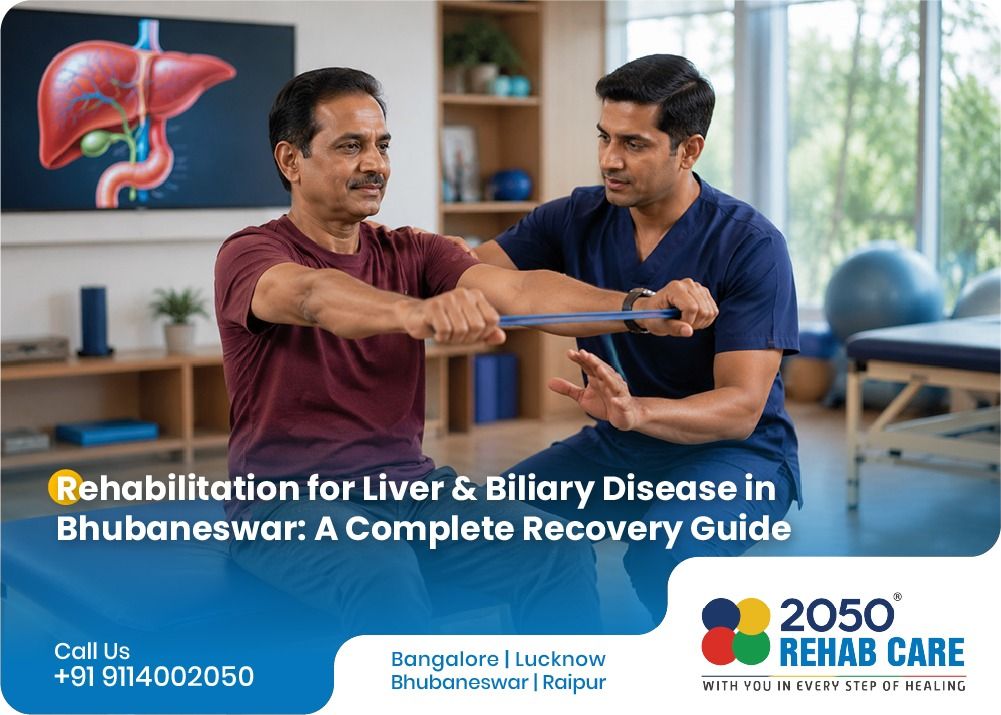
Liver Rehab treatment in Bhubaneswar includes carefully planned movement and exercises based on the individual's ability and medical clearance. It focuses on gradually improving mobility, strength, balance, and confidence in movement.
Nutrition Support and Diet-Chart Maintenance
Diet or Nutrition intake plays an important role in the recovery journey, especially when a liver or biliary condition has affected appetite, body weight, energy levels, or overall nutritional intake.
As part of a comprehensive rehabilitation approach, nutritional requirements are assessed based on the individual's medical condition and recommendations from the treating healthcare team. For example, a person with cirrhosis requires an individualised meal plan based on their nutritional status and medical needs. This involves guidance on maintaining an appropriate balance of essential nutrients, supporting adequate food intake, and following dietary recommendations suited to the person's condition.
Fatigue Management
Fatigue can affect almost every part of daily life. It can make work, movement, household activities, and even social interactions feel more demanding. Rehabilitation helps individuals understand how to balance activity and rest, prioritise tasks, and gradually improve physical tolerance without pushing beyond safe limits.
Emotional and Psychological Support
Long-term illness affects more than the body. Changes in physical ability, dependence on others, repeated medical visits, and uncertainty about recovery can also influence emotional well-being. A comprehensive rehabilitation approach recognises that recovery can involve both physical and emotional adjustment.
What to Expect from Liver Rehab Treatment in Bhubaneswar
Liver Rehab treatment in Bhubaneswar includes the following stages.
Initial Assessment
The rehabilitation team assesses the person's current physical abilities, limitations, medical history, and daily activity challenges.
Setting Realistic Recovery Goals
The goals vary for every individual. For one person, the goal may be to walk independently. For another, it may be to improve endurance or return to work and daily responsibilities.
Creating an Individualised Rehabilitation Plan
Based on the assessment, a structured plan is developed around the person's needs and medical recommendations.
Regular Monitoring
Regular monitoring allows rehabilitation professionals to adjust the programme according to progress, new challenges, or changes in the person's medical condition. The idea is to support meaningful improvement based on what matters in the person's everyday life.
Supporting Long-Term Recovery and Quality of Life
Recovery does not always end when a person leaves the hospital or completes a short rehabilitation programme. Long-term recovery involves continuing appropriate physical activity, following medical and nutritional advice, attending follow-up appointments, and recognising changes that may require further medical attention.
Some people recover quickly, while others may need more time and ongoing support. Comparing one recovery journey with another is rarely helpful. What matters is whether the person is moving towards better function, greater confidence, and improved quality of life at a pace that is appropriate for them.
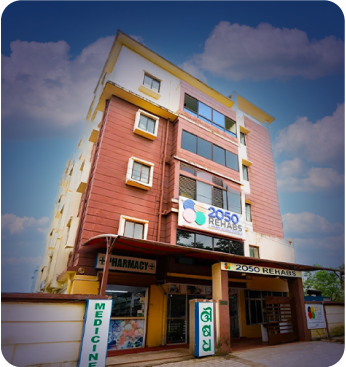
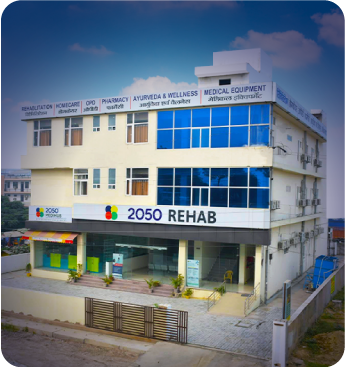
As a professional and trusted Rehabilitation Centre in Bhubaneswar, 2050 Rehab Care extends beyond the medical condition itself to understand how illness has affected the individual's daily life, mobility, strength, and overall functional independence. With an appropriate, personalised rehabilitation approach and coordination with the treating medical team, the recovery journey can be structured around the person's individual needs and goals.