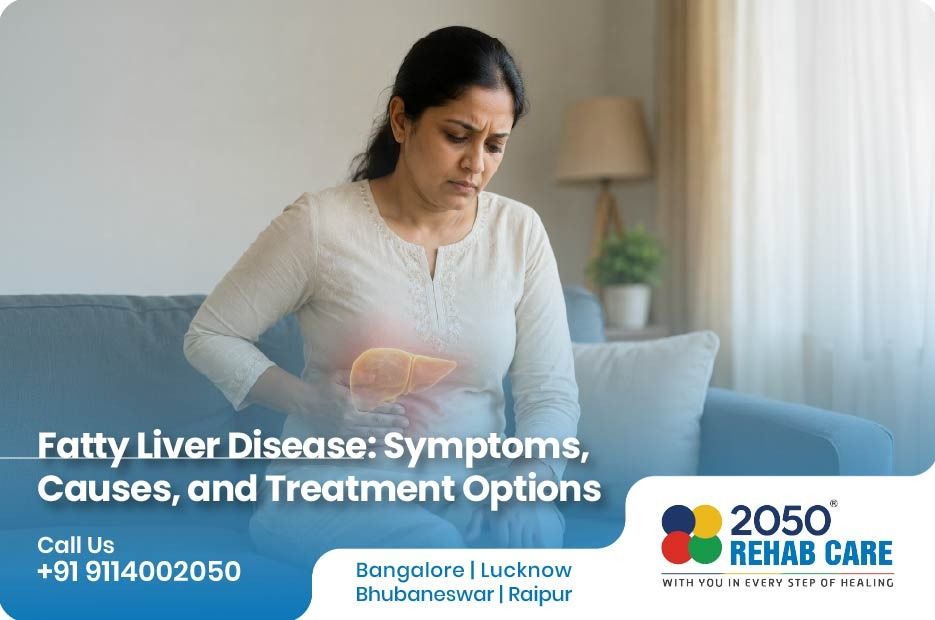
Fatty Liver Disease: Symptoms, Causes, and Treatment Options
Published on 7/11/2026Summary:
Fatty liver disease has been a growing health concern among individuals due to unhealthy lifestyle, obesity, alcohol consumption and diabetes. Early symptoms of fatty liver include bloating, fatigue and abdominal discomfort. However, with appropriate and timely diagnosis, expert care, dietary and lifestyle changes, it can be managed and reversed.Modern lifestyles, unhealthy eating habits, stress and lack of regular physical activity have made liver problems increasingly common among young adults across the world. As per a recent report of National Library of Medicine approx 35 to 40% of adults in India have fatty liver disease. Similarly, in the same report it is mentioned that high‑risk groups (people with obesity, type 2 diabetes, metabolic syndrome) have markedly higher prevalence (roughly 50%+ in pooled high‑risk estimates). Moreover, in the LANCET Regional Health Southeast Asia mentions that roughly 1 in 3 Indian adults have fatty liver disease, with higher rates in clinical/high‑risk populations and urban settings.
It is very common that many people do not realise that they have fatty liver disease until it starts affecting their overall health condition. Fortunately, with the correct detection in its early stages and appropriate diagnosis can not only prevent serious complications but also reverse the condition. It is advised that if you are facing fatigue, digestive disorders or persistent stomach issues, then you should consult a Gastroenterologist in Bangalore to identify the root cause in its early stages.
Prevalence of Fatty Liver Disease in India by Population Group
As per the LANCET Regional Health Southeast Asia report, we have made a concise summary table of fatty liver prevalence groups in India.
| Group | Estimated prevalence | Notes |
|---|---|---|
| General Indian adults | about 35–40% | A pooled estimate puts adult prevalence around 38.6%. |
| Community-based populations | about 28% | Lower than clinic-based estimates, likely because these samples are less enriched for illness. |
| Hospital / clinical populations | about 40–53% | Higher because people in care settings more often have related risk factors. |
| High-risk groups, such as obesity / diabetes / metabolic syndrome | about 50%+ | Risk is much higher in people with metabolic disease. |
| Indian children and adolescents | around 35% in pooled analyses | Rates are especially high in obese children |
What is Fatty Liver Disease?
Fatty Liver Disease is a condition when excess fats are built up in the liver. In the nascent stage, usually discomfort and symptoms are very less but with time inflammation and liver damage is more prone. Fatty liver disease is primarily of two types:
- Non Alcoholic Fatty Liver Disease - It is one of the most common types of fatty liver disease caused mainly due to diabetes, obesity, high cholesterol and unhealthy lifestyle.
- Alcoholic Fatty Liver Disease - According to gastroenterology consultation Bangalore, one of the most common reasons for fatty liver condition is excess consumption of alcohol. Due to this excess consumption alcoholic fatty liver disease is developed in individuals.
Symptoms of Fatty Liver Disease
Usually, in its early stages, fatty liver disease shows no symptoms. However, the very early signs of this condition are fatigue and loss of appetite. Some people also experience discomfort and pain in the right side of the abdomen. Let's begin with the symptoms of fatty liver.
Persistent Fatigue and Weakness - One of the most common symptoms of fatty liver is tiredness. Once the liver does not function properly it becomes a struggle for the body to produce nutrients and remove excess toxins from the body leading to low energy levels throughout the day.
Bloating and Indigestion - Fatty liver conditions can cause indigestion and affect the metabolism rate of the body. Usually conditions like bloating, fullness and discomfort can be felt by individuals facing fatty liver disease.
Loss of Appetite - One major symptom of fatty liver is loss of appetite caused by liver inflammation. Due to liver inflammation one faces reduced hunger often leading to nausea and vomiting while eating thereby triggering discomfortness.
Pain in Upper Right Abdomen - Due to enlargement of the liver or inflammation, individuals feel the discomfort on the right side of the upper abdomen.
Unexpected Weight Loss - When fatty liver progresses or the liver becomes inflamed, it can cause unexpected weight loss by decreasing appetite and making eating uncomfortable. Additionally, it may be associated with weakness, nausea, early fullness, and poor digestion, which causes people to unknowingly consume fewer calories. Weight loss may indicate that fatty liver is becoming more severe and may be moving toward more serious liver disease. Unintentional weight loss should be examined at the gastroenterology hospital in Bangalore because it can also result from a variety of other problems.
Acidity and Digestive Problems - Although fatty liver is not a traditional direct cause of acidity, some people may have reflux-like symptoms, bloating, and indigestion. This could occur because surrounding digestive organs may be impacted by an enlarged or inflammatory liver, and fatty liver is frequently linked to obesity, poor nutrition, and metabolic issues that exacerbate acid reflux. Sometimes the stomach feels more acidic or uncomfortable due to slower digestion, nausea, or a feeling of fullness. Since acidity is not exclusive to fatty liver, it is crucial to explore for alternative explanations if it is severe or regular.
Causes of Fatty Liver Disease
Fatty liver disease usually develops when excess fat builds up in the liver over time. Obesity, insulin resistance or type 2 diabetes, high cholesterol or triglycerides and a diet high in calories are the most prevalent reasons. Malnutrition, fast weight loss, excessive alcohol consumption and certain medications or illnesses can all be factors. Genetics and metabolic syndrome also have a significant impact in certain individuals.
Excess Fat - body fat increases the quantity of fat supplied to the liver and raises the likelihood of fat accumulation, particularly around the belly.
Health Conditions like Diabetes - More fat is created and stored in the liver rather than being used as fuel when the body does not react well to insulin.
High Cholesterol - Elevated cholesterol and triglyceride levels can increase fat accumulation in the liver. Poor lipid control often contributes to inflammation and liver damage if left untreated.
Excess Alcohol Consumption - Heavy intake of alcohol impairs the liver's capacity to break down lipids thereby destroying liver cells. Serious liver problems including alcoholic fatty liver disease may result from excessive alcohol consumption over time.
Poor Diet and Unhealthy Eating Habits - Excessive consumption of processed snacks, sugary drinks, fried foods and refined carbs by individuals can cause the liver to become fatty. It is likely that fatty liver disease will occur in those who eat a diet heavy in calories and bad fats.
Treatment for Fatty Liver Disease
Since there is no one medication that can treat fatty liver, lifestyle modifications are the primary focus of treatment. Liver fat can be decreased and its progression can be stopped by gradually losing weight, maintaining a healthy, balanced diet, exercising frequently and abstaining from excessive alcohol consumption. Some of the treatments advised by best gastroenterology clinic in Bangalore are as follows:
- It is recommended to lose weight as even modest loss of weight can improve fatty liver conditions.
- Regular exercise is a must. Some of the best gastroenterology multispeciality OPD in Bangalore advises individuals to aim for atleast 150 minutes in a week.
- Reduce alcohol consumption
- No intake of refined carbs, fried or processed foods and focus more on a balanced diet.
When to Visit Digestive Health Clinic Bangalore
If you have ongoing symptoms like bloating, acidity, stomach discomfort, indigestion, nausea, constipation or unexplained exhaustion, you should see a stomach pain specialist in Bangalore. These symptoms might point to underlying liver or digestive issues that need to be properly evaluated by a doctor and treated right away. Book Gastro Consultation.