How Neurological Rehabilitation in Bhubaneswar Helps After a Stroke
Published on 8/21/2026A stroke can change everyday life in a matter of minutes. Simple activities such as walking across a room, speaking clearly, holding an object, eating independently, or remembering familiar information may suddenly become difficult. For the person recovering from a stroke, these changes can be frustrating and emotionally overwhelming. For family members, knowing how to support recovery can be equally challenging.
Recovery is often a gradual process, and rehabilitation can play an important role in helping a stroke survivor regain functional abilities and adapt to changes. Neurological and Stroke rehabilitation in Bhubaneswar focuses on addressing the physical, cognitive, communication, and functional difficulties that can occur after a stroke.
Understanding Stroke and How It Can Affect the Body
A stroke happens when blood flow to a part of the brain is blocked or when a blood vessel within the brain breaks and causes bleeding. Without adequate blood flow and oxygen, brain cells become damaged. The effects depend largely on which part of the brain is affected and the extent of the injury.
A stroke may lead to:
- Movement difficulties: Weakness or paralysis, particularly on one side of the body, can affect walking and other movements.
- Speech and communication problems: Difficulty in speaking or understanding language, reading, or writing.
- Balance and coordination issues: Certain changes in balance while standing and walking.
- Swallowing difficulties: Experiencing problems in controlling the muscles involved in swallowing.
- Memory and cognitive changes: Attention, memory, concentration, reasoning, or problem-solving may be affected.
- Challenges with everyday activities: Tasks such as dressing, bathing, eating, cooking, or using household objects may become more difficult.
Since every stroke survivor experiences different challenges, recovery is tailored to their specific symptoms, abilities, and overall health.
The Importance of Neurological Rehabilitation After a Stroke
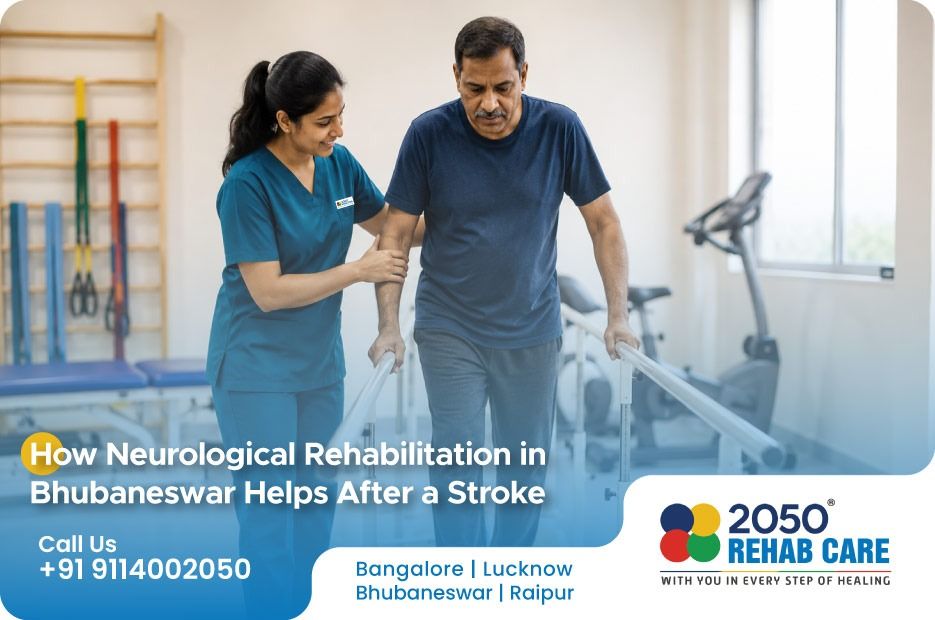
Neurological rehabilitation is a structured form of care designed to help people manage difficulties resulting from conditions affecting the brain, spinal cord, or nervous system. Apparently, these conditions can result from a stroke. Rehabilitation focuses on restoring lost abilities where possible while helping the patient develop safer and more effective ways of performing daily activities. Depending on the person's needs, rehabilitation may involve physiotherapy, occupational therapy, speech and language therapy, and cognitive rehabilitation. The World Health Organization's guidance on stroke rehabilitation also highlights the role of these different therapies in helping stroke survivors regain function and work towards greater independence.
A stroke affects the brain, but its consequences can be seen throughout the body. Damage to particular areas of the brain can interfere with the signals responsible for movement, speech, balance, coordination, and other functions. This is where stroke rehabilitation in Bhubaneswar becomes an important part of the recovery journey.
For example, a person struggling to walk may need targeted movement and balance training, while someone experiencing communication difficulties may require speech and language therapy. Rather than following one standard approach, neurological rehabilitation aims to address the specific functional challenges experienced by each person.
When Should a Stroke Survivor Seek Rehabilitation Support?
Stroke recovery does not always mean that difficulties disappear once the initial medical treatment is complete. Some challenges may continue for weeks, months, or longer.
Professional rehabilitation support becomes appropriate when a stroke patient continues to experience:
- Difficulty walking, standing, or moving an affected limb
- Muscle weakness or changes in muscle control
- Problems with balance or coordination
- Difficulty speaking or understanding communication
- Swallowing problems
- Changes in memory, attention, or concentration
- Difficulty performing personal-care or household activities
- Reduced confidence or independence in everyday life
A medical or rehabilitation professional assesses these difficulties and determines what type of support may be appropriate.
Key Areas Addressed During Stroke Rehabilitation
Below are some of the key areas that are addressed primarily during stroke rehabilitation:
- Movement and muscle control
- Balance and coordination
- Speech and communication
- Swallowing difficulties
- Cognitive abilities
- Everyday activities and independence
How Consistent Rehabilitation Matters After a Stroke
Stroke rehabilitation is rarely about making progress in a single session. Recovery may involve repeated practice, gradual improvements, and periods where progress feels slower than expected. According to the National Institute of Neurological Disorders and Stroke (NINDS), carefully directed repetitive practice can help stroke survivors a lot in relearning the skills affected by the stroke. When medically appropriate, beginning rehabilitation at the right stage and maintaining consistency can help the patient continue working towards their functional goals.
Consistency in neuro rehabilitation means following the rehabilitation plan recommended by qualified professionals and allowing the therapy team to monitor progress and make appropriate adjustments. Regular follow-up at the Stroke Rehabilitation Centre in Bhubaneswar helps identify problems such as declining mobility, increased stiffness, balance difficulties, or other complications that may require attention.
Choosing a Rehabilitation Centre in Bhubaneswar for Stroke Recovery
Choosing the most appropriate rehabilitation centre in a city like Bhubaneswar requires a lot of research and effort, as the city has many options in the specific area. However, most importantly, the focus should be on finding care that matches the stroke survivor's individual needs rather than choosing a centre simply because it offers a particular therapy.
Some factors worth considering include:
Qualified rehabilitation professionals: Check whether the centre has appropriately trained professionals relevant to the person's needs.
Multidisciplinary care: Stroke recovery can involve physical, communication, cognitive, and functional challenges. Access to different rehabilitation disciplines can therefore be valuable.
Individualized rehabilitation plans: Therapy should be based on an assessment of the patient’s abilities, limitations, medical condition, and recovery goals.
Safety and appropriate equipment: The rehabilitation environment should support safe movement and provide equipment appropriate to the individual's therapy requirements.
Progress monitoring: Regular assessment helps determine whether therapy goals need to be continued, modified, or expanded.
Family and caregiver communication: Families should understand the rehabilitation plan and know how they can safely support the person between therapy sessions.
Every stroke is different, and so is every person's recovery. With appropriate medical care, structured rehabilitation, family support, and patience, stroke survivors can work toward regaining abilities, improving independence, and adapting to life after stroke.
Prioritizing Personalized Care at 2050 Rehab Care
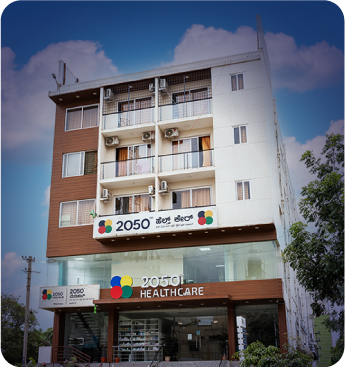
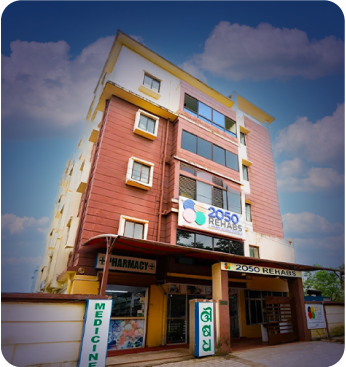
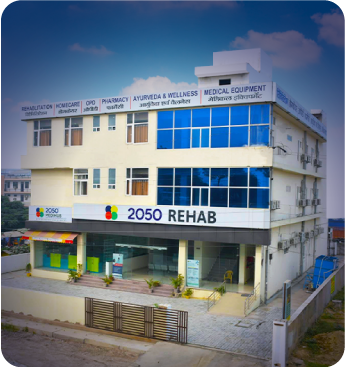
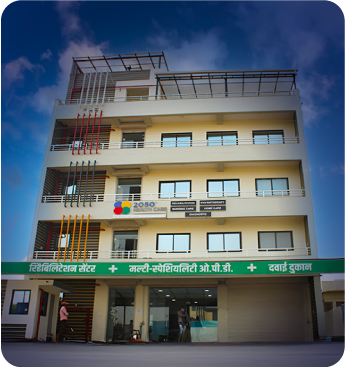
Among many options, 2050 Rehab Care has emerged as a trusted Neuro rehabilitation centre in Bhubaneswar, providing professional care with a specialized approach to the patient’s needs and requirements. The treatment process includes structured rehabilitation support aimed at improving mobility, strength, coordination, communication, and independence in everyday activities. 2050 Rehab Care Stroke and Neuro Rehabilitation in Bhubaneswar helps create a structured path toward recovery while ensuring that rehabilitation remains aligned with the person’s abilities and medical needs.
Have Questions About Stroke Rehabilitation? Contact Us