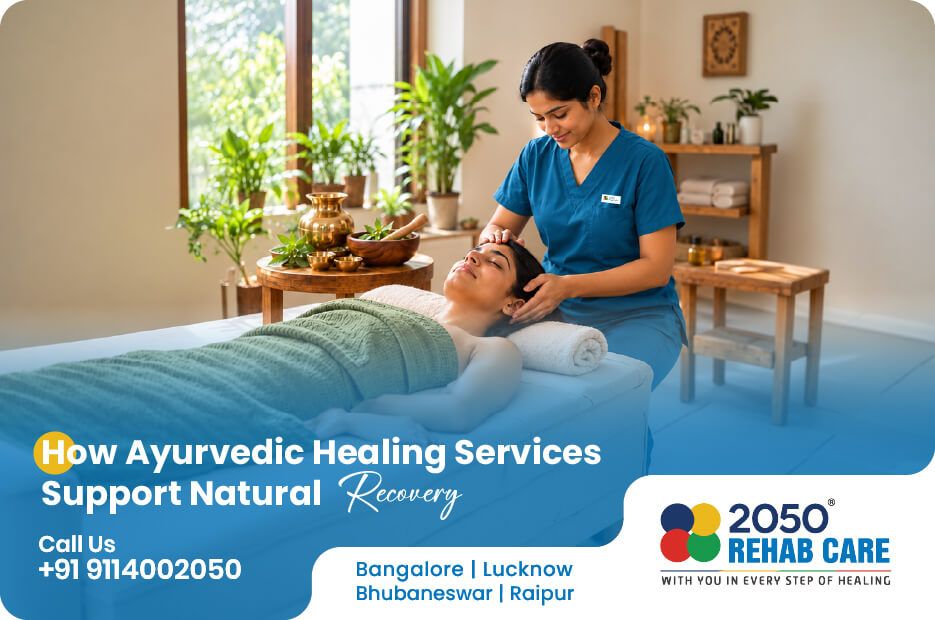
How Ayurvedic Healing Services Support Natural Recovery
Published on 10/19/2026Ayurveda takes a holistic approach to recovery by focusing on the body, mind, lifestyle, diet, and overall well-being. This blog explores how Ayurvedic therapies can support natural recovery through approaches such as Panchakarma, pain management, stress and mental wellness programs, women’s health care, geriatric care, and lifestyle support. It also explains what to consider when choosing Ayurvedic treatment and how professional guidance can help create a personalized wellness journey.
Recovery is not always about addressing a health concern at the surface level. It can also involve supporting the body’s natural processes, improving daily habits, managing stress, and restoring overall balance. Ayurveda, one of India’s traditional systems of wellness, takes a holistic approach by considering an individual’s physical health, lifestyle, diet, and mental well-being.
Today, many people explore Ayurvedic Healing Services as part of a broader approach to wellness and recovery. Depending on an individual’s needs, Ayurvedic practices include treatments, herbal approaches, dietary guidance, lifestyle recommendations, and other traditional therapies.
Table of Contents
- What Is Ayurveda?
- How Ayurvedic Healing Supports the Natural Recovery Process
- The Role of Diet, Lifestyle, and Herbal Therapies in Ayurveda
- Key Ayurvedic Healing Services
- Panchakarma Therapy and Rejuvenation
- Stress and Mental Wellness Programs
- Ayurvedic Pain Management
- Women’s Health Programs
- Child and Geriatric Care
- Chronic Disease and Lifestyle Care
- Skin and Hair Care Treatments
- How to Choose the Right Ayurvedic Center in India
- Finding Ayurvedic Healing Services for Your Recovery Needs
What Is Ayurveda Healing?
Ayurveda is a traditional Indian system of health and wellness that focuses on maintaining balance within the body and supporting overall well-being. Rather than viewing health concerns in isolation, Ayurvedic principles consider factors such as diet, daily routine, physical condition, environment, and emotional well-being.
Natural recovery can be influenced by several factors, including adequate rest, nutrition, movement, stress management, and consistent lifestyle habits. Ayurvedic practices often work alongside these foundations to create a more holistic wellness routine.
How Ayurvedic Healing Supports the Natural Recovery Process
The body has its own mechanisms for healing and maintaining balance. Supporting these processes can involve much more than a single treatment. Ayurveda traditionally emphasises personalised care, healthy routines, appropriate nutrition, and therapies selected according to an individual's condition.
A personalised plan helps ensure that wellness practices are appropriate for an individual's needs, age, lifestyle, and existing health considerations. The World Health Organization (WHO) has developed benchmarks outlining minimum requirements for the quality and safety of Ayurvedic practice.
The Role of Diet, Lifestyle, and Herbal Therapies in Ayurveda
Diet and lifestyle are central to many Ayurvedic approaches. Traditional Ayurvedic practices place importance on eating patterns, daily routines, sleep, physical activity, and maintaining habits that support overall balance.
Herbs and plant-based preparations are also commonly associated with Ayurveda. When combined thoughtfully, appropriate nutrition, healthy routines, relaxation, and professionally guided Ayurvedic Healing Services can become part of a sustainable approach to overall wellness.
Key Ayurvedic Healing Services
Different Ayurvedic therapies are traditionally used for different wellness needs. Explore our guide on How Ayurveda Supports Post-Surgery Recovery for a deeper understanding. The following services illustrate how specific approaches can relate to different aspects of a recovery journey.
Panchakarma Therapy and Rejuvenation
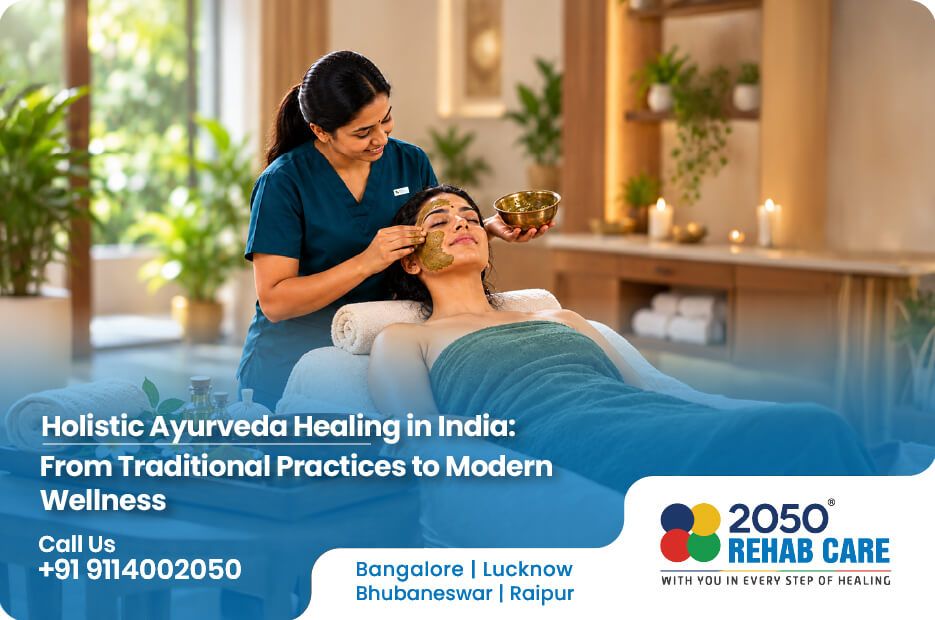
Panchakarma is a traditional Ayurvedic therapeutic approach involving a range of procedures selected according to an individual's needs.
Depending on the therapy and individual circumstances, these practices are used to support relaxation, comfort, mobility, and rejuvenation. Because Panchakarma involves specific procedures and preparation, it should be undertaken under the guidance of a qualified Ayurvedic practitioner.
Stress and Mental Wellness Programs
Recovery is not limited to physical health. Stress, poor sleep, and emotional strain influence how people feel and function in everyday life.
Ayurvedic treatment in India may incorporate relaxation-oriented therapies, lifestyle guidance, breathing practices, meditation, and other approaches intended to support mental and emotional well-being.
Ayurvedic Pain Management
Pain can interfere with mobility, sleep, daily activities, and overall quality of life. Ayurvedic approaches to pain management involve traditional external therapies, massage-based treatments, heat therapies, and lifestyle recommendations depending on the individual's needs.
These approaches are generally intended to support comfort and mobility. Persistent, severe, or unexplained pain should always be medically evaluated rather than managed solely through traditional therapies.
Women’s Health Programs
Women experience changing wellness needs across different stages of life. The National Center for Complementary and Integrative Health (NCCIH) provides information on complementary approaches used for various health concerns.
Ayurvedic approaches to women's wellness focus on nutrition, lifestyle, stress management, relaxation, and personalised traditional therapies.
A holistic approach encourages women to pay attention to sleep, nutrition, physical activity, stress levels, and other factors that contribute to overall well-being. For specific reproductive or medical concerns, Ayurvedic Healing Services should complement appropriate medical evaluation rather than replace it.
Child and Geriatric Care
Children and older adults have different nutritional, physical, and lifestyle requirements. Ayurvedic care for these age groups therefore needs to be particularly individualised.
For older adults, wellness-focused Ayurvedic practices may support relaxation, mobility, daily comfort, and healthy routines. For children, any Ayurvedic treatment or herbal preparation should be approached carefully and only with suitable professional guidance.
Chronic Disease and Lifestyle Care
Long-term health conditions often require consistent attention to medication, nutrition, physical activity, sleep, stress, and other lifestyle factors.
Ayurvedic lifestyle care may complement a broader health-management plan by encouraging healthier routines and personalised dietary and wellness practices. It should not replace prescribed medication or evidence-based medical care.
Skin and Hair Care Treatments
Skin and hair wellness also form part of a holistic Ayurvedic routine. Traditional approaches include external applications, oils, dietary guidance, and lifestyle recommendations.
These practices may support general skin and hair wellness, but persistent skin conditions, unexplained hair loss, infections, or other concerning symptoms should be assessed by an appropriate healthcare professional.
How to Choose the Right Ayurvedic Center in India
Choosing an Ayurvedic center in India requires careful consideration of the type of care you are looking for and the qualifications of the professionals providing it.
Some useful factors to consider include:
- Qualifications and experience of Ayurvedic practitioners
- Personalised assessment before treatment
- Clear explanation of the recommended therapies
- Appropriate hygiene and safety standards
- Communication about possible risks and contraindications
- Coordination with conventional medical care when necessary
- Follow-up and progress monitoring
It is also useful to ask whether a centre has experience addressing your particular wellness concern and whether the proposed treatment is appropriate for your age and existing health conditions.
Supporting Holistic Wellness Through Ayurveda
2050 Rehab Care offers Ayurvedic services alongside its broader rehabilitation and care approach. Ayurvedic services at 2050 Rehab Care include Panchakarma therapy, pain management, stress and mental wellness programs, women's health, child and geriatric care, chronic disease and lifestyle care, and skin and hair care treatments.
Our aim is to provide Ayurvedic treatment with personalised care and a holistic approach tailored to individual health and wellness needs. Treatment suitability should be assessed by a qualified practitioner.
Book an appointment today to explore the available approaches and seek professional guidance to determine which services may be appropriate for your needs.