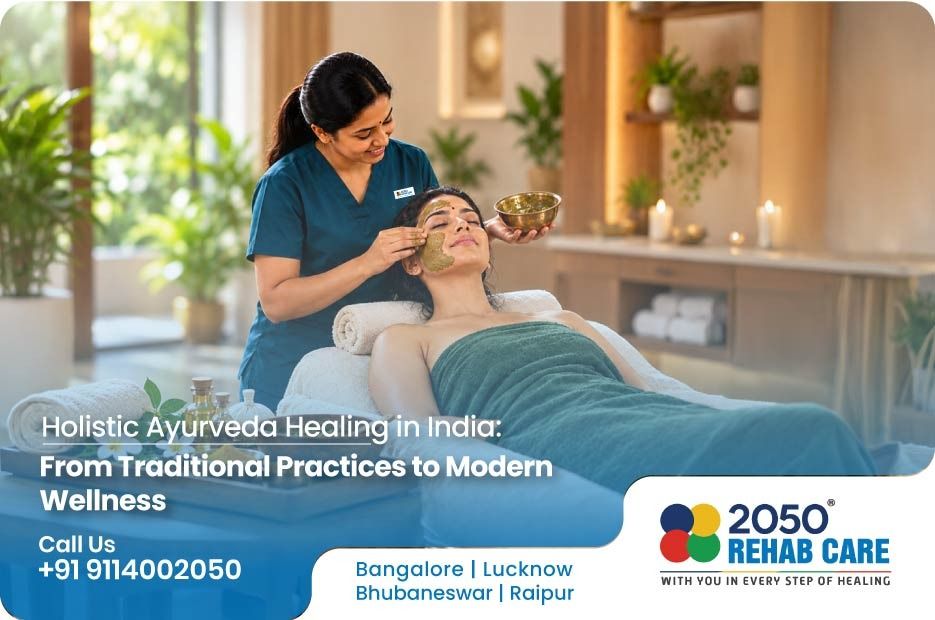
Holistic Ayurveda Healing in India: From Traditional Practices to Modern Wellness
Published on 10/12/2026Holistic Ayurveda Healing in India: From Tradition to Modern Wellness
Ayurveda, one of the world’s oldest systems of traditional medicine, has been a part of India’s wellness heritage for thousands of years. This process of healing takes a holistic view of health by considering the body, mind, lifestyle, diet, and environment together.
Today, Holistic Ayurveda Healing in India is gaining renewed interest as people look for personalised approaches to wellbeing, preventive care, stress management, and healthier lifestyles. You can check out our previous blog to know the benefits of Ayurvedic healing in post-surgery rehabilitation. From traditional therapies such as Panchakarma to specialised wellness programmes, Ayurveda continues to evolve while retaining its core principles.
Understanding Holistic Ayurveda Healing
Holistic Ayurveda healing focuses on maintaining balance across different aspects of an individual’s wellbeing. Ayurveda traditionally considers each person unique, with their physical constitution, lifestyle, dietary habits, environment, and daily routines influencing their overall health.
The Ayurvedic approach commonly focuses on:
- Understanding an individual’s constitution and health concerns
- Promoting healthy digestion and nutrition
- Encouraging balanced daily routines
- Supporting physical and mental wellbeing
- Using traditional therapies, herbs, diet, and lifestyle practices where appropriate
Traditional Ayurveda emphasises personalised care based on the individual's needs.
The Foundations of Traditional Ayurvedic Treatment in India
Traditional Ayurvedic Treatment in India is based on principles that have been passed down through generations. Ayurveda views health as a state of balance involving the body, mind, senses, and overall lifestyle.
Ayurvedic care incorporates several elements, including:
- Personalised dietary guidance
- Herbal preparations
- Ayurvedic therapies
- Lifestyle recommendations
- Yoga and meditation
- Detoxification and rejuvenation practices
The objective is to develop a sustainable approach to wellbeing rather than relying solely on short-term interventions.
How Ayurveda Has Evolved from Tradition to Modern Wellness
While Ayurveda remains rooted in traditional knowledge, its role in modern wellness has continued to develop. People today are increasingly interested in preventive health, stress reduction, mindful living, nutrition, and personalised wellness. According to the National Library of Medicine, Ayurvedic practices can help support overall well-being and address modern health concerns like digestive problems, sleep issues, piles, etc.
Modern Ayurvedic centres combine traditional therapies with structured wellness programmes designed around contemporary lifestyle needs. This includes programmes focused on stress management, pain care, women's health, healthy ageing, lifestyle-related concerns, and overall rejuvenation.
This transition reflects how Ayurvedic practices can be organised and presented to address the changing wellness needs of individuals and families.
What Makes Ayurveda a Holistic Approach to Healing?
One of the defining characteristics of Ayurveda is its broader view of wellbeing. It considers different aspects of a person's lifestyle and aims to create routines that support long-term health. WHO describes traditional medicine as including knowledge and practices developed across different historical and cultural contexts.
Physical Wellbeing
Ayurvedic therapies are used as part of wellness and supportive care for areas such as mobility, relaxation, recovery, and general physical wellbeing.
Mental and Emotional Balance
Ayurveda places importance on a calm and balanced lifestyle. Practices involving relaxation, meditation, breathing, sleep routines, and personalised wellness programmes may complement traditional Ayurvedic care.
Nutrition and Lifestyle
Diet is an important component of Ayurveda. Food choices, meal timing, digestion, and daily habits are considered when developing an individual's wellness routine.
Detoxification and Rejuvenation
Traditional Ayurvedic practices include therapies intended to support cleansing and rejuvenation. Panchakarma is one of the best-known examples and is generally undertaken under the supervision of trained practitioners.
Preventive Wellness
Ayurveda also places emphasis on maintaining well-being before health concerns become more complicated. Regular routines, appropriate nutrition, movement, rest, and stress management can all contribute to a more balanced lifestyle.
Popular Ayurvedic Therapies and Treatments in India
Ayurvedic care in India includes a wide range of traditional therapies and specialised wellness programmes. Depending on an individual's needs and assessment, treatment may include one or more of the following:
Panchakarma
Panchakarma is a traditional Ayurvedic therapeutic approach involving a structured series of procedures. It is generally personalised according to an individual's constitution and health requirements and should be undertaken under appropriate professional supervision.
Stress and Mental Wellness Programme
Modern lifestyles can contribute to prolonged stress, irregular sleep, and mental fatigue. Ayurvedic wellness programmes may incorporate relaxation therapies, lifestyle guidance, yoga, meditation, breathing practices, and other supportive approaches to promote mental and emotional wellbeing.
Ayurvedic Pain Management
Ayurvedic pain management may involve traditional therapies, external applications, massage-based treatments, herbal preparations, movement guidance, and lifestyle recommendations. The approach can be personalised according to the individual's condition and overall health.
Women’s Health Programme
Ayurveda has traditionally recognised the importance of women's health across different stages of life. Specialised programmes may focus on menstrual wellbeing, reproductive health, pregnancy-related wellness, postpartum care, menopause, and overall women's wellbeing, depending on individual requirements.
Child and Geriatric Care
Ayurvedic wellness can also be adapted to different age groups. Child and geriatric care programmes may focus on age-appropriate nutrition, lifestyle, preventive wellness, mobility, and overall wellbeing while considering individual needs.
Chronic Disease and Lifestyle Care
Lifestyle-related health concerns often require long-term attention to diet, activity, stress, sleep, and daily habits. Ayurvedic care may be used as a complementary approach alongside appropriate medical care, with personalised lifestyle and wellness recommendations.
Skin and Hair Care Treatments
Ayurvedic skin and hair care may include traditional herbal preparations, external therapies, dietary guidance, and personalised routines. These treatments focus on supporting overall skin and hair wellness while considering lifestyle and individual requirements.
Choosing the Best Ayurveda Treatment in India for Your Needs
Finding the Best Ayurveda Treatment in India is not simply about choosing a popular therapy or centre. The appropriate approach depends on the individual's health requirements, treatment goals, medical history, and professional assessment.
When considering an Ayurvedic centre, look for:
Importance of Individual Assessment
A proper assessment can help practitioners understand an individual's constitution, lifestyle, symptoms, and wellness goals before recommending therapies.
Qualifications and Experience of Practitioners
Qualified and experienced Ayurvedic practitioners are important for ensuring that treatments are planned and administered appropriately.
Personalised Treatment Plans
Every individual responds differently to therapies. A personalised plan can help ensure that treatments, dietary recommendations, and lifestyle guidance are aligned with the person's needs.
Authentic Ayurvedic Practices
A centre should have a clear understanding of traditional Ayurvedic principles and use appropriate therapies and procedures.
Hygiene, Facilities, and Follow-Up Care
Clean facilities, professional treatment environments, proper hygiene, and continued guidance can contribute to a more structured wellness experience.
Ayurveda and Modern Wellness: Finding the Right Balance
Ayurveda's traditional principles can be particularly relevant to modern conversations around preventive wellness and healthy living. However, integrating traditional practices into modern healthcare requires a thoughtful and responsible approach.
For many people, Ayurveda can form part of a broader wellness routine that includes:
- Balanced nutrition
- Regular physical activity
- Adequate sleep
- Stress management
- Mindfulness and relaxation
- Regular health check-ups
- Appropriate medical care when required
The goal is not simply to follow a treatment for a limited period but to develop sustainable habits that support overall wellbeing.
Supporting Holistic Ayurvedic Wellness With Modern Practices
You can consider 2050 Rehab Care for the Best Ayurveda Treatment in India as it brings together traditional Ayurvedic practices and personalised care through a range of specialised programmes. Its approach can encompass areas such as Panchakarma, stress and mental wellness, Ayurvedic pain management, women's health, child and geriatric care, chronic disease and lifestyle care, and skin and hair wellness. By focusing on individual needs and holistic wellbeing, 2050 Rehab Care aims to provide a supportive environment where traditional Ayurvedic practices can become part of a personalised and sustainable wellness journey.