What is Transitional Care and Why Every Indian Family Will Need It Soon
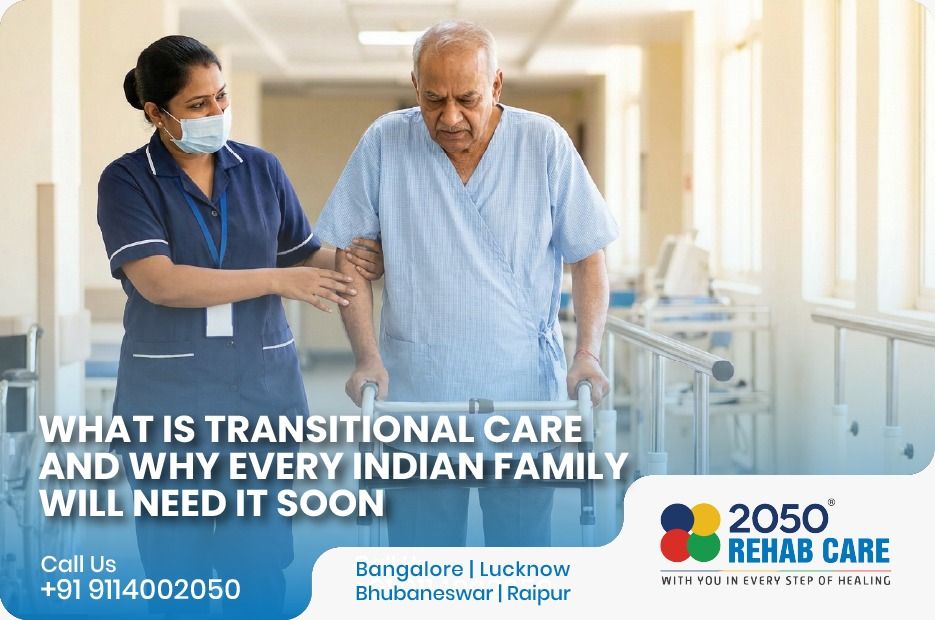
Published on 12/29/2025Imagine this: Your 72-year-old father has just been discharged after a knee replacement surgery. The hospital says he's stable, but back home in your small urban apartment, reality hits hard. Managing his daily medications, helping him with physiotherapy, watching for infection signs—all while juggling work, kids, and household chores. In nuclear families, which now make up over 70% of urban Indian households, this scenario is increasingly common and overwhelming. This is where transitional care steps in as a lifesaver.
Transitional care is the coordinated, continuous medical support provided as patients move from hospital to home or another care setting. It bridges the gap after acute treatment, focusing on safe recovery through services like medication management, physical therapy, wound care, nutritional guidance, and emotional support. The ultimate goals? Prevent complications, reduce hospital readmissions, and help patients regain independence faster.
Studies worldwide show that effective transitional care can reduce 30-day readmissions by 20-30% and even cut emergency visits significantly. In India, where hospitals are often overcrowded and family caregivers stretched thin, these services are no longer optional—they're essential.
What is Transitional Care?
Transitional care refers to coordinated, short-term medical and rehabilitative support provided when a patient moves from one healthcare setting to another—most commonly from hospital to home. Its purpose is to ensure continuity of care, prevent medical complications, reduce hospital readmissions, and help patients regain independence safely.
Unlike traditional home recovery, transitional care takes place in medically supervised environments, such as transitional care or rehabilitation centers. Here, patients receive:
●︎ Medical monitoring by trained professionals
●︎ Medication management and education
●︎ Physical, occupational, and neurological rehabilitation
●︎ Psychological and emotional support
●︎ Assistance with daily activities during recovery
Transitional care acts as a bridge, ensuring patients do not fall through the cracks after hospital discharge—a risk that remains high in India’s current healthcare system.
India's Demographic Shift: Why Transitional Care Is Becoming Essential
India faces rapid aging. The elderly population (60+) stands at about 153 million today, projected to reach 347 million by 2050—doubling to over 20% of the total population.
By 2026, seniors will comprise around 10-12% of India's populace, driven by longer life expectancies and lower birth rates. This brings surges in chronic diseases: diabetes (77+ million cases), heart disease (leading cause of death), and post-surgical needs.
Nuclear families dominate, especially in urban areas (over 58% nationally, higher in cities), with joint systems eroding due to migration and modern lifestyles. Working couples often lack time for intensive caregiving, straining public hospitals where elderly readmissions can hit 20-30% within 30 days in some settings.
The COVID-19 pandemic exposed post-discharge gaps, spurring demand for transitional centers. By 2026, with urbanization rising and non-communicable diseases projected to cause 75% of deaths by 2030, most families will face elder care challenges requiring professional support.
The Pivotal Role of Rehabilitation in Transitional Care
Rehabilitation is the cornerstone of transitional care, transforming it from mere medical supervision into a pathway for true independence. Integrated rehabilitation addresses physical, cognitive, and emotional recovery, making transitional care far more effective.
Here’s how rehabilitation plays a vital role, point by point:
●︎ Restores Physical Function and Mobility: Through targeted therapies like physiotherapy and occupational therapy, patients regain strength, balance, and range of motion—essential after surgeries (e.g., knee/hip replacements) or strokes, reducing fall risks and dependency.
●︎ Accelerates Overall Recovery: Integrated rehab shortens healing time by 30-40%, helping patients return to daily activities faster and preventing muscle atrophy or complications.
●︎ Reduces Hospital Readmissions and Complications: Intensive, multidisciplinary rehab addresses root causes of setbacks, such as poor wound healing or unmanaged pain, leading to fewer emergencies and lower long-term costs.
●︎ Enhances Cognitive and Emotional Well-Being: Includes speech therapy for post-stroke communication issues and psychological support to combat isolation or depression, promoting holistic healing.
●︎ Promotes Independence and Self-Management: Patients learn skills for home life, while caregivers receive training—empowering families and easing the transition to community living.
●︎ Supports Chronic Condition Management: For cardiac or diabetic patients, rehab incorporates exercise, nutrition, and education, improving quality of life and preventing disease progression.
●︎ Facilitates Skill Transfer in Real-World Settings: Therapy in simulated home environments ensures gains translate to daily routines, boosting confidence and long-term outcomes.
India's rehabilitation market, valued at ~$5 billion in 2023, is growing at over 9% CAGR through 2030, driven by innovations like tele-rehab. However, urban-rural gaps persist, underscoring the need for expanded integrated services.
Why Choosing the Right Transitional Care Center Matters
Not all recovery environments are the same. The right transitional care center should offer:
●︎ Multidisciplinary medical expertise
●︎ Personalized rehabilitation plans
●︎ Continuous monitoring and safety protocols
●︎ Emotional and psychological support
●︎ Clear discharge and reintegration planning
For families, this means faster recovery, fewer complications, reduced stress, and lower long-term healthcare costs.
Preparing for 2026: Benefits for Indian Families
Transitional care with strong rehabilitation prevents emergencies, saves costs amid rising medical inflation, and provides family peace of mind. Early planning—insurance checks, advance discussions—is crucial.
Discover 2050 Rehab Care: Your Partner in Holistic Recovery
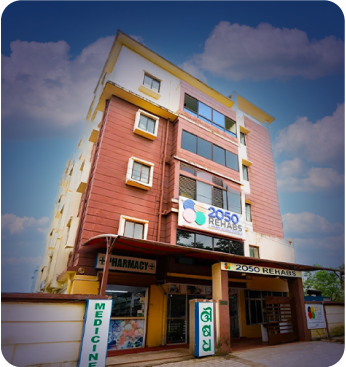
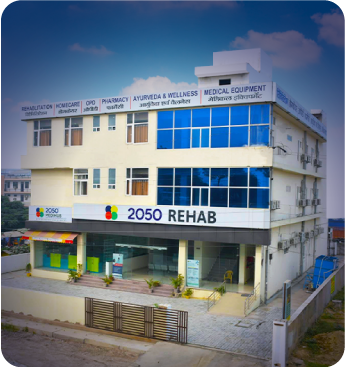
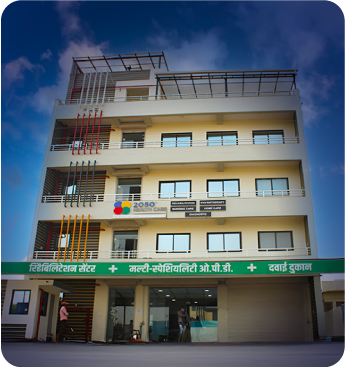
At 2050 Rehab Care, we are redefining post-hospital care in India with a vision for accessible, world-class rehabilitation by 2050. Founded on the realization that true recovery begins after discharge, we address fragmented care through integrated, compassionate services—all under one roof.
Our pan-India centers offer:
●︎ Rehabilitation IPD → Intensive inpatient recovery.
●︎ Multispecialty OPD → Expert consultations.
●︎ Authentic Ayurveda Therapies → Holistic rejuvenation.
Patient-centric programs combine advanced technologies, evidence-based protocols, and empathetic care for physical, cognitive, and emotional healing. Backed by multidisciplinary teams—specialists, therapists, nurses—and state-of-the-art facilities, we empower reintegration with purpose.
Guided by core values—patient-centricity, compassion, clinical excellence, teamwork, and community focus—we make rehabilitation a right, not a luxury. Expanding nationwide, we're building a culture where recovery is structured, human, and dignified.
As India approaches 2026, partner with 2050 Rehab Care for seamless transitional support. Contact us today to restore strength, confidence, and quality of life—for your loved ones and future generations.