7 Dangerous Myths About Medical Rehabilitation That Stop 90% of Indian Families from Recovering Fully
Published on 7/29/2026Every year, over 1.8 crore Indians are discharged from hospitals after major surgeries, strokes, spinal injuries, or neurological events. Doctors save lives brilliantly, but true independence is won only in the weeks that follow.
Yet 9 out of 10 families never step into one of the many excellent rehabilitation centers in India.
The reason? Seven stubborn myths that haven’t changed much even in 2026.
Here are the seven biggest ones — and the reality practiced by the best rehabilitation centers in India today.
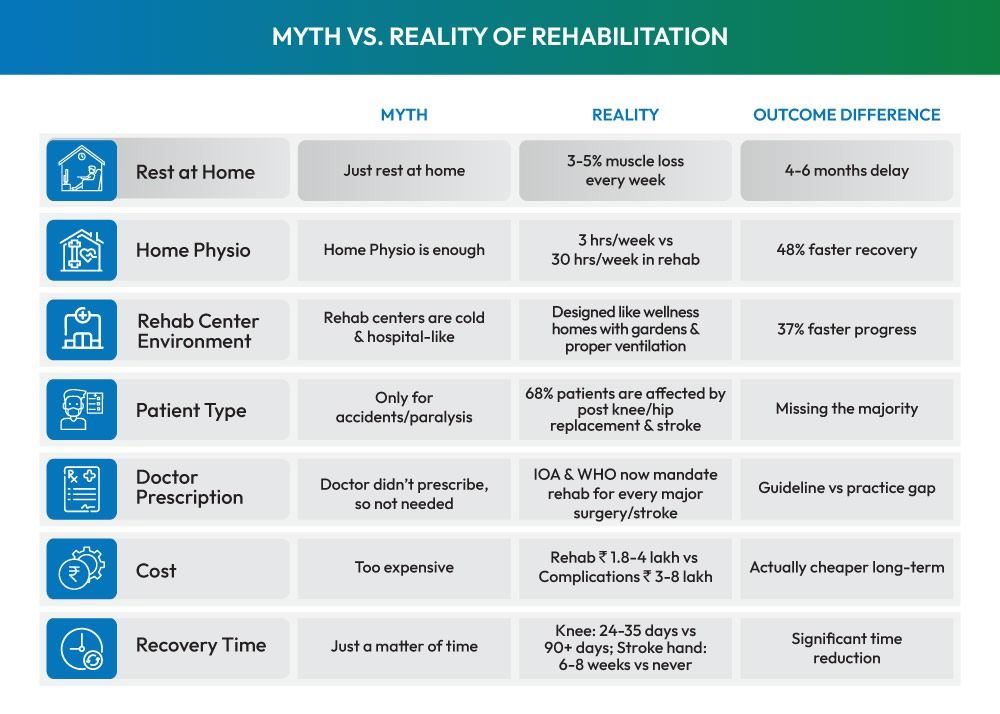
Myth 1: “Just rest at home — the body will heal itself”
Reality: Inactivity causes 3–5% muscle loss every week. A large 2024–25 Indian study of 1,247 post-surgical patients showed that families who chose only home rest needed 4–6 months longer to walk independently compared to those who started structured rehab within the first week.
Myth 2: “Home physiotherapy is the same as professional rehab”
Reality: A home physiotherapist usually visits 30–45 minutes, three times a week.
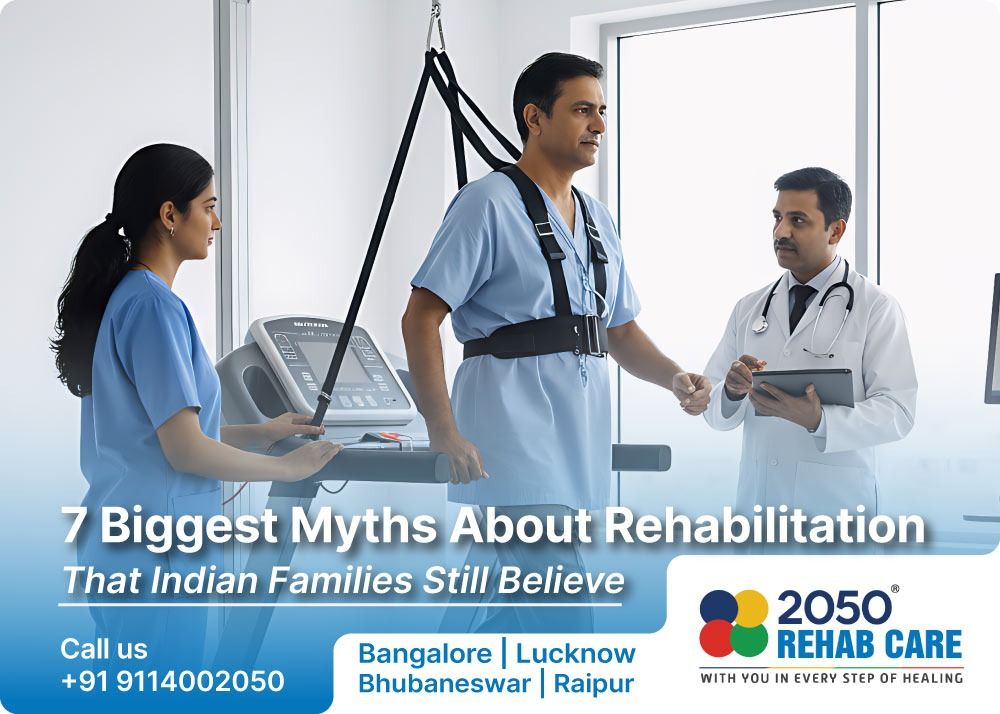
In contrast, leading transitional care centers in India deliver 4–6 hours of daily coordinated therapy — physiotherapy, occupational therapy, speech therapy, and neuro-rehabilitation together. Global research (Lancet, 2023) proves this intensity shortens recovery time by 40–50% and dramatically lowers complications.
Myth 3: “Rehabilitation centers in India are cold, clinical, and depressing”
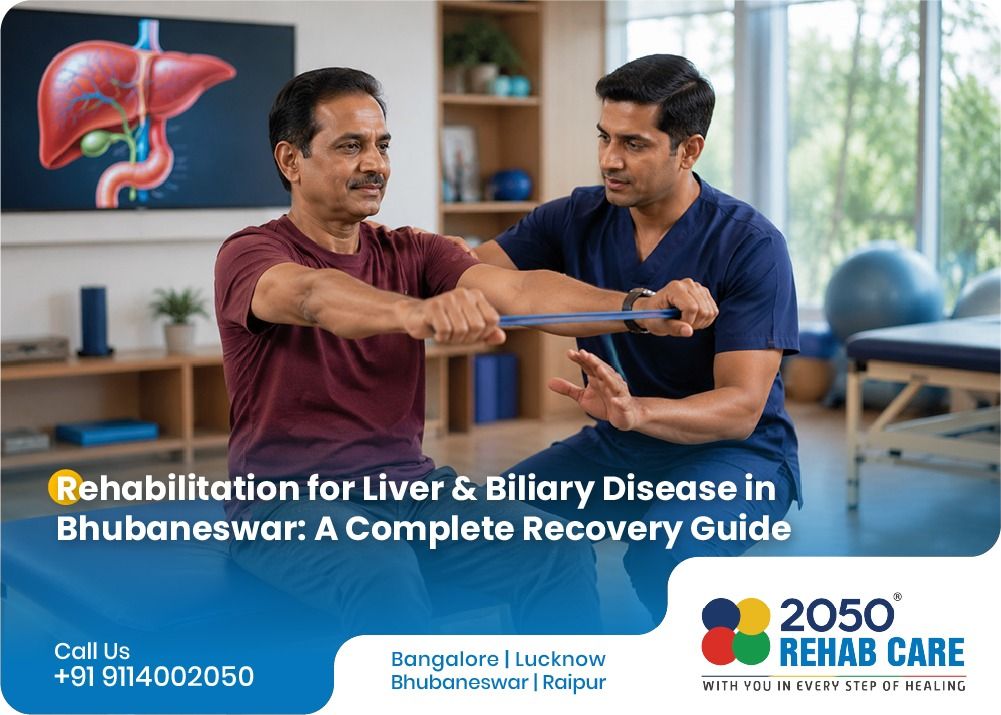
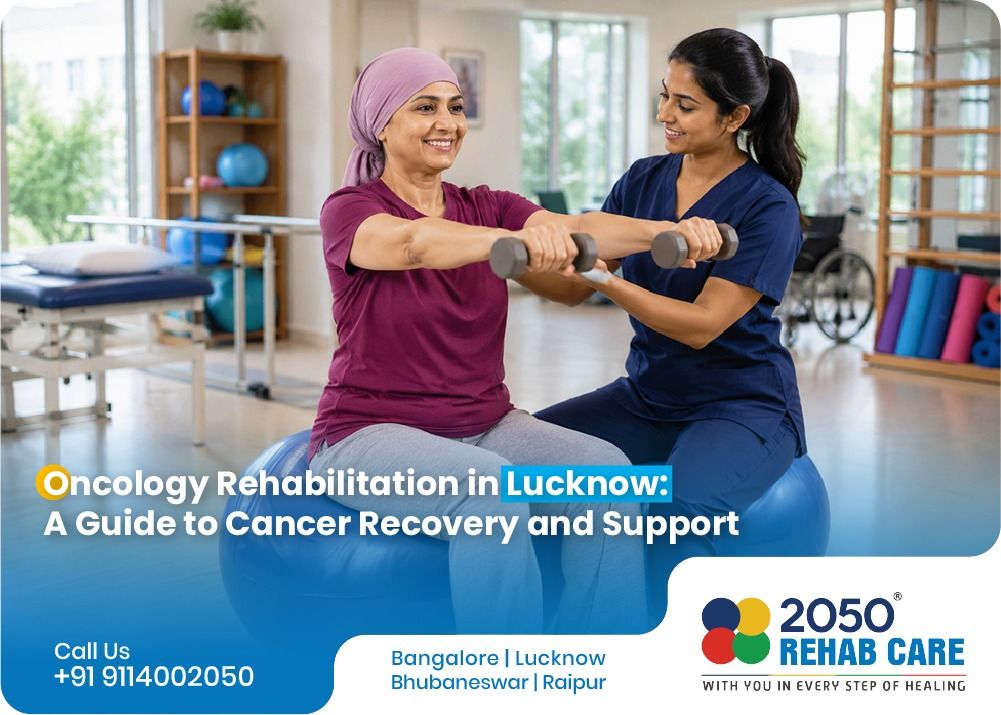
Reality: Modern medical rehab facilities are designed to feel warm and uplifting — sun-lit therapy gyms, gardens, private rooms with large windows, and communal areas that encourage interaction. Research shows patients in such environments improve mobility and mood 37% faster because emotional comfort directly affects physical progress.
Myth 4: “Rehab is only for accident victims or complete paralysis”
Reality: In 2025–26, 68% of patients in rehabilitation centers in India are there after planned procedures:
●︎Total knee or hip replacement (the largest group)
●︎ Stroke with even mild weakness
●︎ Spinal disc surgery
●︎ Cardiac rehabilitation
●︎ Parkinson’s, cerebral palsy, or Guillain-Barré syndrome — If daily activities are affected after discharge, rehab is strongly recommended — regardless of how “minor” it seems.
Myth 5: “Our surgeon didn’t prescribe rehab, so we don’t need it”
Reality: Surgeons focus on the operation; the 90-day recovery phase is often left to the family.However, WHO, NICE, and the Indian Orthopedic Association now clearly recommend structured rehabilitation for every major joint replacement and stroke patient. Many surgeons privately wish more families understood this critical next step.
Myth 6: “The best rehabilitation centers in India are unaffordable”
Reality: Poor recovery leads to falls, contractures, and readmissions that cost ₹3–8 lakh on average.
A complete 30–90 day program at reputable transitional care centers in India typically costs ₹1.8–4 lakh (all-inclusive), and most health insurance policies now cover medical rehabilitation up to ₹5 lakh under post-hospitalization expenses.
Myth 7: “Once we’re home, it’s just a matter of time”
Reality: Without guided therapy, temporary weakness frequently becomes permanent dependency.
Real 2025 outcomes from leading centers:
●︎ Knee replacement patients walking without support in 24–35 days (vs 90+ days at home)
●︎Stroke patients using the affected hand again in 6–8 weeks
●︎ Spinal injury patients returning to work in 3–4 months instead of years
The Simple Truth in 2026
Medical rehabilitation is no longer optional or a luxury.
It is the fastest, safest, and most evidence-based way to regain independence after any major hospitalisation.
Across the country, a new generation of rehabilitation centers in India and dedicated transitional care centers in India are making world-class recovery accessible, insurance-covered, and genuinely welcoming.
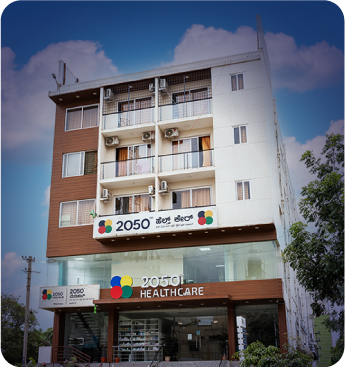
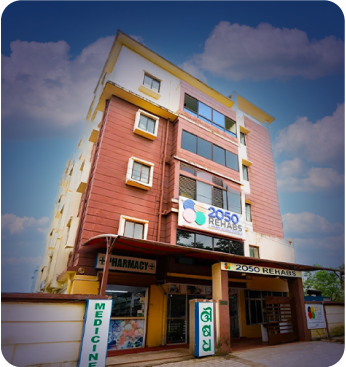
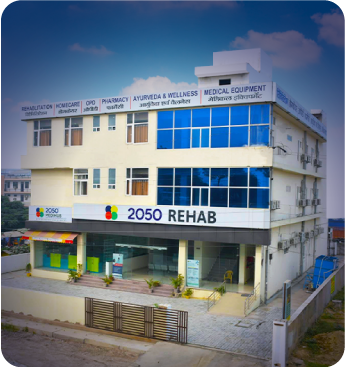
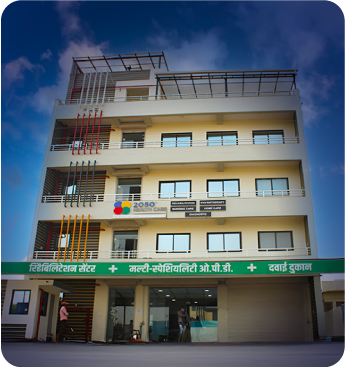
One such network quietly changing the game is 2050 Rehab Care India, with centres in Bangalore, Lucknow, Raipur, and Bhubaneswar — where hospital discharge is treated as the first day of walking again.
Don’t let outdated myths steal months or years from your loved one’s life.